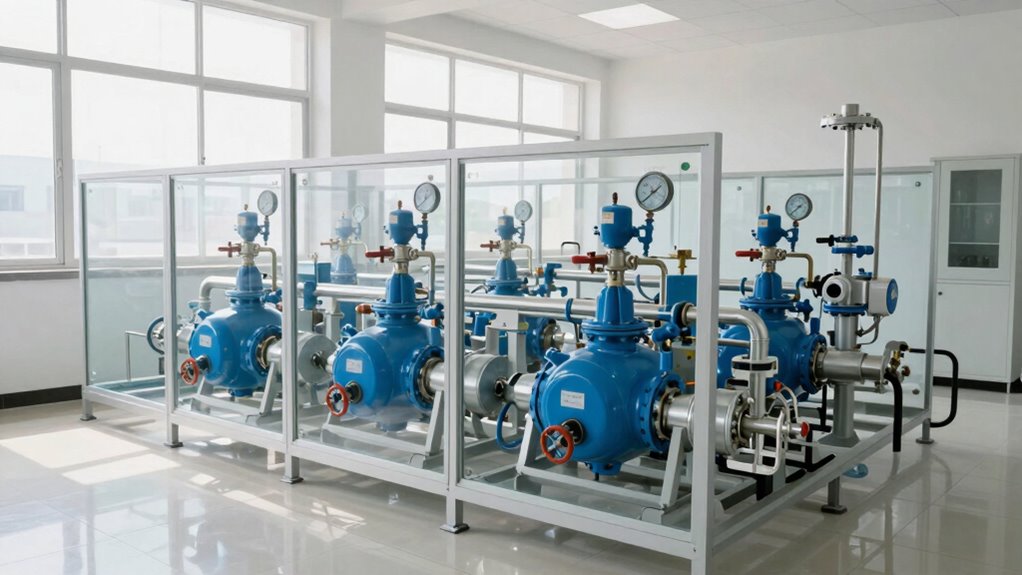

The best treatment systems are easy to inspect because they’re designed with accessible panels, clear labels, and modular parts that let you quickly assess and replace components. Smart sensors provide real-time data, alerting you to issues early and reducing guesswork. Simplified inspections encourage regular checks, which prolong equipment life and prevent costly failures. By making inspections straightforward, these systems guarantee reliable operation and efficiency. Keep exploring to see how this approach can benefit your system even further.

Get home appliances delivered free with Prime
- Fast, free delivery on millions of items
- Prime Video, Amazon Music and more included
- Member-only deals all year
Key Takeaways
- Easy access panels and clear labels facilitate quick system assessments and reduce inspection time.
- Modular components simplify repairs and maintenance, ensuring minimal system downtime.
- Integrated smart sensors enable real-time monitoring, allowing prompt detection of issues.
- User-friendly designs allow staff with varying expertise to perform inspections confidently.
- Simplified inspection processes promote regular checks, enhancing system reliability and preventing costly failures.
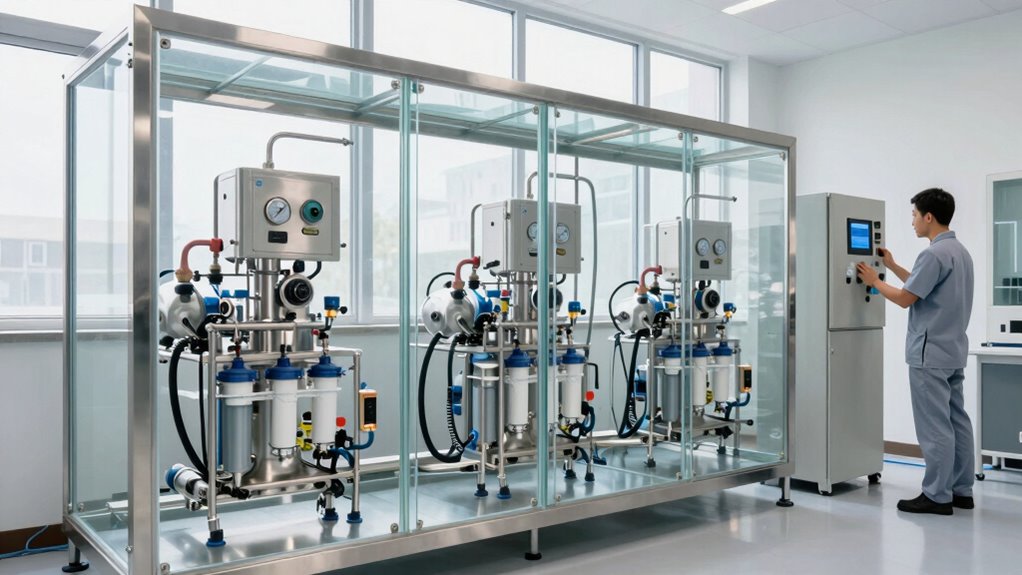
Inspecting treatment systems has become simpler than ever, thanks to advancements in design and technology. These innovations focus on making maintenance straightforward and inspection highly accurate, ensuring you can keep systems running smoothly without extensive hassle. When a system is designed with maintenance simplicity in mind, it minimizes the effort required to identify issues and perform routine checks. Features like accessible panels, clear labels, and modular components allow you to quickly assess the system’s condition, saving you time and reducing the risk of oversight. You won’t need specialized tools or extensive training to perform basic inspections—just a few straightforward steps to confirm everything’s functioning properly.
Moreover, modern treatment systems incorporate smart sensors and digital monitoring tools that enhance inspection accuracy. These devices continuously track key parameters such as flow rates, pressure levels, and chemical concentrations. When something goes out of range, you receive real-time alerts, allowing you to address potential problems proactively. This technological integration eliminates guesswork and helps you pinpoint issues precisely, whether it’s a clog, leak, or malfunction. Instead of relying solely on visual inspections, you now have data-driven insights that make maintenance decisions more reliable and efficient. Incorporating digital monitoring tools can also help streamline inspection procedures further, making maintenance even more accessible.
The beauty of these user-friendly designs is that they encourage regular inspections, which are essential for preventative maintenance. When systems are easy to access and monitor, you’re more likely to perform routine checks, catching small issues before they escalate into costly repairs or downtime. This proactive approach not only prolongs the lifespan of your treatment equipment but also minimizes operational disruptions. With fewer complications during inspections, you’ll find that maintaining compliance with safety and environmental standards becomes less burdensome. Additionally, the integration of smart sensors supports early detection of potential failures, further safeguarding operational continuity.
Furthermore, the simplicity of inspection processes means you can delegate tasks with confidence. When systems are clearly designed for easy assessment, staff members with varying levels of technical expertise can participate in routine checks. This democratizes maintenance, ensuring inspections happen more frequently and thoroughly. The combination of maintenance simplicity and inspection accuracy results in a more reliable, cost-effective treatment operation. You spend less time troubleshooting and more time focusing on optimizing performance and meeting regulatory requirements.
In essence, the best treatment systems are engineered to be easy to inspect because it benefits everyone involved. They reduce the complexity, improve the precision of assessments, and foster a culture of proactive maintenance. Thanks to technological advances, you now have the tools and designs that make inspection not just easier but more accurate than ever before. This ultimately leads to greater system reliability, operational efficiency, and peace of mind knowing your treatment processes are constantly monitored and well-maintained.
treatment system inspection panels
As an affiliate, we earn on qualifying purchases.
As an affiliate, we earn on qualifying purchases.
Frequently Asked Questions
What Tools Are Needed for Inspecting Treatment Systems?
You need inspection equipment like visual tools, pressure gauges, and flow meters to evaluate treatment systems effectively. Safety gear is essential—wear gloves, goggles, and protective clothing to stay safe during inspections. Use a flashlight to check hard-to-see areas, and bring any specialized tools recommended by the system manufacturer. These tools help you identify issues quickly, ensuring the system operates efficiently and safely.
How Often Should Treatment Systems Be Inspected?
You should inspect your treatment system regularly, ideally following the manufacturer’s maintenance schedules and recommended inspection frequency. Typically, inspections are needed annually or semi-annually, but more frequent checks might be necessary if you notice issues or after severe weather. Consistent inspections help catch problems early, ensuring peak performance and longevity. Keep detailed records of each inspection to stay on top of maintenance and prevent costly repairs down the line.
Can Homeowners Perform Inspections Themselves?
You can perform a DIY inspection, but it’s essential to understand your homeowner responsibilities. While simple checks like looking for odors or pooling water are manageable, thorough inspections require expertise to avoid missing issues. Relying solely on DIY inspections may cause you to overlook critical problems. For safety and accuracy, it’s best to schedule professional inspections regularly, ensuring your treatment system operates efficiently and prevents costly repairs down the line.
What Signs Indicate a Treatment System Needs Repair?
You’ll notice your treatment system needs repair if you see signs like chemical buildup around the system or unusual odors. Structural damage, such as cracks or leaks in tanks or pipes, also indicates issues. If the system isn’t processing wastewater efficiently or if there’s standing water around it, these are clear signs you should call a professional. Regular inspections help catch these problems early before they worsen.
Are There Regulations Governing Treatment System Inspections?
Regulatory compliance is like a roadmap guiding your treatment system inspections, guaranteeing you’re on the right path. Yes, there are regulations governing inspection standards, which vary by location but generally mandate routine checks to keep systems functioning properly. These rules help you maintain safe, efficient operation and avoid penalties. Staying informed about local regulations ensures you meet all requirements and keep your treatment system in top shape.
modular water treatment components
As an affiliate, we earn on qualifying purchases.
As an affiliate, we earn on qualifying purchases.
Conclusion
Think of your treatment system as a well-tuned lighthouse. When it’s easy to inspect, you can quickly spot any flickering light or wandering beam, guiding your way safely. Just like a lighthouse’s clarity keeps ships on course, simple inspections keep your system running smoothly and prevent costly storms. Embrace easy-to-inspect systems, and you’ll navigate maintenance with confidence, ensuring your operations stay bright and steady—guiding you safely through the waters of your responsibilities.
smart sensors for water treatment
As an affiliate, we earn on qualifying purchases.
As an affiliate, we earn on qualifying purchases.
digital monitoring tools for treatment systems
As an affiliate, we earn on qualifying purchases.
As an affiliate, we earn on qualifying purchases.
Columbus Day / Indigenous Peoples' Day Picks
long weekend sales
As an affiliate, we earn on qualifying purchases.