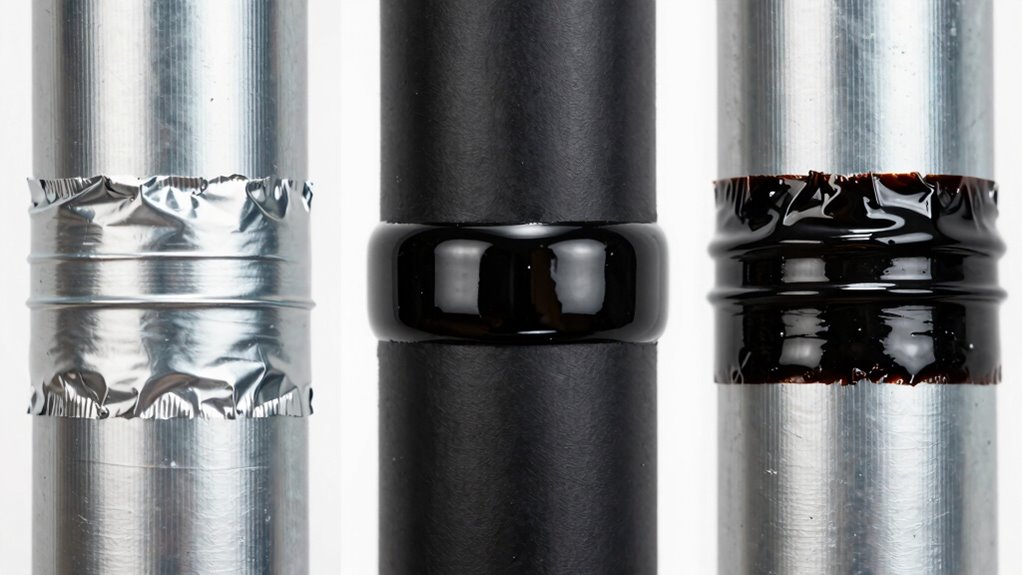

To prevent leaks before they start, using tape offers a quick, temporary fix by creating a physical barrier, ideal for low-pressure or emergency situations. Dope provides a durable, long-lasting seal perfect for permanent repairs on plumbing or structural components. For best results, combine both: apply tape for immediate coverage and reinforce with dope for lasting protection. Want to know which method suits your needs best? Keep exploring to find the ideal leak prevention approach.
Key Takeaways
- Use tape for quick, temporary leak coverage, especially in low-pressure or urgent situations.
- Apply dope for long-term, durable seals suitable for plumbing, piping, or structural repairs.
- Proper surface cleaning and prep enhance adhesion and effectiveness of both tape and dope.
- Combining tape for immediate coverage with dope for reinforcement offers comprehensive leak prevention.
- Select the appropriate sealant type based on leak severity, material, and environmental conditions for optimal results.
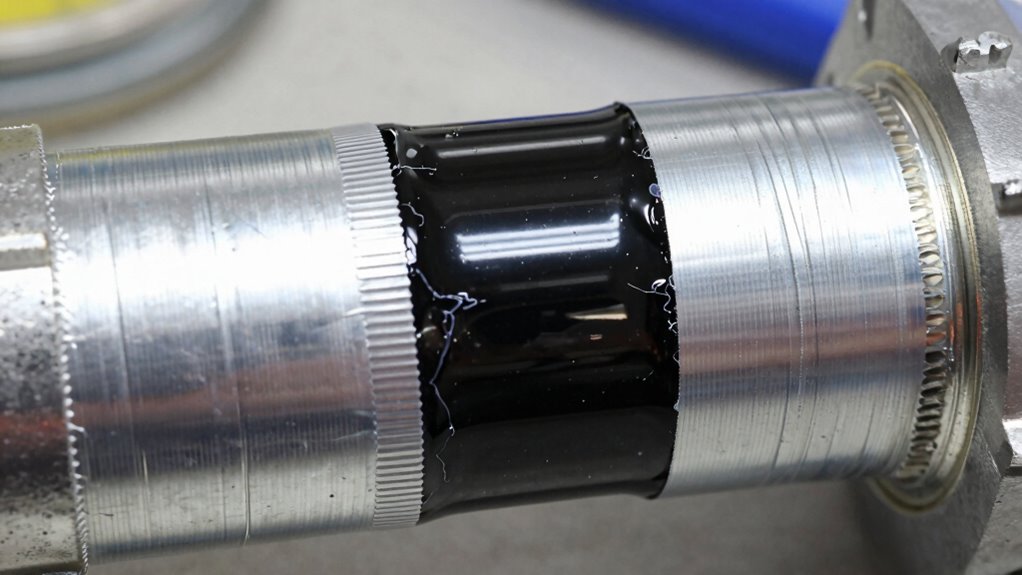
Have you ever wondered what really separates tape from dope when it comes to sealing leaks? The answer lies in understanding the different sealant types and application methods each offers. Tape, like duct tape or specialized leak tapes, is straightforward: you simply press it over the leak, and it forms a physical barrier. Its application method is quick and easy—just cut, peel, and stick. This makes tape ideal for temporary fixes or quick, low-pressure repairs. It’s especially handy when you need an immediate seal without waiting for curing times. However, tape’s effectiveness depends heavily on surface cleanliness and proper adhesion; dirt, moisture, or uneven surfaces can compromise its seal, leading to leaks down the line.
On the other hand, dope, or liquid sealants, involves a different approach. These products are often rubberized compounds, epoxies, or silicone-based sealants that you apply with a caulking gun or brush. Sealant types vary widely, each suited for specific materials and leak conditions. For example, silicone sealants work well on glass and plastic, while epoxy resins are better for metal surfaces. The application methods for dope require a bit more preparation—cleaning the surface thoroughly, applying the sealant evenly, and sometimes smoothing it out for a better finish. Once applied, many sealants need curing or drying time, but they create a more durable, long-lasting seal that can withstand pressure, movement, and environmental factors better than tape.
Choosing between tape and dope depends on the nature of the leak and your long-term needs. Tape offers convenience and speed but isn’t as reliable for continuous pressure or exposure to harsh conditions. Sealant types used as dope provide a more permanent solution, especially when applied correctly with proper surface prep. Application methods for sealants require some skill, but they also give you more control over the seal’s strength and integrity. For temporary fixes, tape might suffice, but for permanent repairs—especially on plumbing, piping, or structural elements—using the right sealant and applying it properly makes all the difference. In many cases, combining both can be effective: sealing with tape for immediate coverage and then reinforcing or sealing more permanently with a suitable dope. Understanding these distinctions helps ensure you choose the right method to keep leaks at bay, saving you time, money, and headaches. Proper surface preparation can significantly improve the seal’s effectiveness and longevity.
Frequently Asked Questions
Can Tape or Dope Repair High-Pressure Leaks Effectively?
Tape and dope can temporarily fix high-pressure leaks, but they aren’t dependable for permanent solutions. You might seal a leak quickly with tape or dope, yet over time, pressure can cause them to fail. For lasting results, you should opt for professional repairs or replace damaged parts. Always treat tape or dope as a short-term fix, and prioritize proper, permanent repairs to ensure safety and durability.
Which Method Is More Cost-Efficient Long-Term?
You’ll find that dope generally offers better long-term savings due to its durability and stronger seal, making it more cost-efficient over time. Tape might be cheaper upfront, but it often requires frequent reapplication, increasing overall costs. When comparing cost, consider the durability and maintenance needs. Using dope or a combination of both can provide a more reliable solution, ultimately saving you money on repairs and replacements in the long run.
Are There Specific Materials That Work Better With Tape or Dope?
Certain materials, like rubber or plastic, work better with tape due to their flexibility and surface compatibility, guaranteeing a good seal. For dope, metal surfaces or threaded joints respond well, especially with proper application techniques like cleaning and applying evenly. Always consider material compatibility to prevent leaks, and follow specific application methods for tape or dope to maximize effectiveness. Using the right combination ensures a durable, leak-proof seal.
Can Tape or Dope Be Used on All Types of Pipes?
Think of pipes as different musical instruments, each needing specific care. When it comes to pipe compatibility, tape and dope aren’t universal. Some materials like plastic or certain metals respond well, but others might not. Your application techniques matter too—apply tape tightly, and dope evenly. Always check manufacturer guidelines to confirm your chosen option works with your pipe’s material, preventing leaks before they happen.
How Do Environmental Conditions Affect Their Performance?
Environmental conditions critically affect tape and dope performance. High temperatures increase temperature sensitivity, causing tapes to loosen and dope to soften, risking leaks. Moisture impact is also vital; moisture can weaken tape adhesion and interfere with dope’s sealing ability. Cold, damp environments reduce effectiveness, so always consider temperature and moisture levels before application. Properly selecting materials suited for these conditions ensures better long-term leak prevention.
Conclusion
Remember, an ounce of prevention is worth a pound of cure. Choosing between tape, dope, or both depends on your leak’s location and severity. Tape offers quick fixes, while dope provides a more permanent seal. Sometimes, combining both gives you the best of both worlds. Stay proactive, inspect regularly, and don’t let small leaks turn into big problems. After all, a stitch in time saves nine—stop leaks before they start!