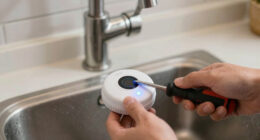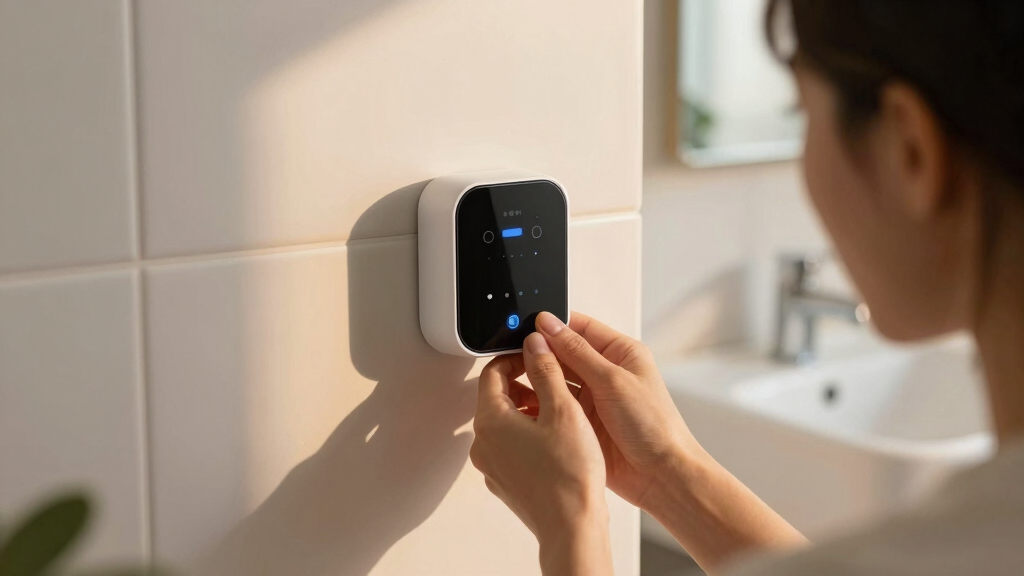

Smart home water leak detectors help prevent costly water damage by alerting homeowners early. The Ring Alarm Flood and Freeze Sensor and Honeywell Lyric Wi-Fi Water Leak Sensor are popular choices, each with distinct strengths. The Ring sensor integrates seamlessly with Ring’s security ecosystem, making it ideal for users already invested in Ring products. Honeywell’s sensor focuses on standalone reliability and detailed alerts, suitable for users prioritizing dedicated leak detection. Understanding these differences helps homeowners choose based on their existing setup, desired features, and budget.
At a Glance
| Criteria | Ring Alarm Flood and Freeze Sensor | Honeywell Lyric Wi-Fi Water Leak Sensor | Winner |
|---|---|---|---|
| Compatibility with smart home systems | Works primarily within Ring ecosystem; compatible with Alexa and other Ring devices | Designed for standalone use; compatible with Alexa, Google Assistant, and Apple HomeKit through integration | A |
| Detection sensitivity and accuracy | Good sensitivity; alerts are generally accurate but depend on placement | High sensitivity with precise leak detection; less prone to false alarms | B |
| Alerting features (notifications, alerts) | Real-time notifications via app; optional siren integration | Instant notifications; can trigger other smart devices; audible alarm on sensor | A |
| Ease of installation | Simple DIY installation with adhesive or mounting hardware | Easy to install; requires minimal tools, mounts with adhesive or screws | A |
| Battery life and power source | Battery lasts approximately 3-5 years; low power consumption | Battery lasts up to 2-3 years; replaceable batteries | A |
| Price | Mid-range price; around $40-50 | Higher price point; around $60-70 | B |
| Additional features (freeze detection, app interface) | Includes freeze detection; app provides detailed event logs | Includes freeze detection; detailed app interface with logs and custom alerts | B |
| Customer support and reliability | Reliable support via Ring app; some reports of false alarms | Strong customer support; high reliability with fewer false alarms | B |
best smart water leak detectors
As an affiliate, we earn on qualifying purchases.
As an affiliate, we earn on qualifying purchases.
Key Differences
The main distinction between the two sensors lies in their ecosystem integration and sensitivity. Ring’s Flood and Freeze Sensor is best suited for homeowners already using Ring security, offering seamless integration and a budget-friendly price. However, it may be slightly less sensitive and more prone to false alarms compared to Honeywell, which emphasizes precision and standalone reliability. Honeywell’s sensor is more expensive but provides higher detection accuracy and richer app features, making it suitable for users who want dedicated leak monitoring without depending heavily on a specific ecosystem. Both sensors include freeze detection, but Honeywell’s advanced app interface and reliability might justify the higher cost for those prioritizing accuracy and detailed alerts.
Ring Flood and Freeze Sensor
As an affiliate, we earn on qualifying purchases.
As an affiliate, we earn on qualifying purchases.
Detailed Comparison
Compatibility with smart home systems (Honeywell Lyric Wi-Fi Water Leak Sensor wins — moderate)
The Ring sensor integrates deeply within Ring’s ecosystem, including Alexa. It may have limited compatibility outside this setup. Honeywell’s sensor is more versatile, supporting Alexa, Google Assistant, and Apple HomeKit through additional setup, offering broader smart home integration.
Detection sensitivity and accuracy (Honeywell Lyric Wi-Fi Water Leak Sensor wins — major)
Honeywell’s sensor is more sensitive and less prone to false alarms, providing more precise leak detection. Ring’s sensor, while reliable, may trigger false alarms more often depending on placement and environmental factors.
Alerting features (notifications, alerts) (Honeywell Lyric Wi-Fi Water Leak Sensor wins — moderate)
Both send instant notifications via their respective apps. Honeywell offers customizable alerts and detailed logs, while Ring’s notifications are straightforward but less customizable.
Ease of installation (Ring Alarm Flood and Freeze Sensor wins — minor)
Both sensors are designed for DIY installation using adhesive or mounting hardware, with similar ease. Honeywell’s sensor may require slight extra setup for advanced features.
Battery life and power source (Ring Alarm Flood and Freeze Sensor wins — moderate)
Ring’s sensor lasts about 3-5 years on a single battery, whereas Honeywell’s lasts about 2-3 years and is easily replaceable. Both are convenient, but Ring’s longer lifespan reduces maintenance frequency.
Price (Ring Alarm Flood and Freeze Sensor wins — minor)
Ring’s sensor is more affordable, around $40-50, making it accessible for budget-conscious users. Honeywell’s sensor costs approximately $60-70, reflecting its enhanced features and accuracy.
Additional features (freeze detection, app interface) (Honeywell Lyric Wi-Fi Water Leak Sensor wins — moderate)
Both include freeze detection, but Honeywell’s app offers more detailed logs, customization, and better overall user experience, justifying the higher price.
Customer support and reliability (Honeywell Lyric Wi-Fi Water Leak Sensor wins — moderate)
Honeywell has a reputation for solid customer support and fewer false alarms, whereas Ring’s support is generally good but occasionally reports of false triggers.
Honeywell Lyric Wi-Fi Water Leak Sensor
As an affiliate, we earn on qualifying purchases.
As an affiliate, we earn on qualifying purchases.
Ring Alarm Flood and Freeze Sensor: Pros and Cons
Pros:
- More affordable price point
- Longer battery life (3-5 years)
- Simple DIY installation
- Good ecosystem integration for Ring users
Cons:
- Less sensitive and more prone to false alarms
- Limited compatibility outside Ring ecosystem
- Fewer advanced alert customization options
smart home water leak sensors
As an affiliate, we earn on qualifying purchases.
As an affiliate, we earn on qualifying purchases.
Honeywell Lyric Wi-Fi Water Leak Sensor: Pros and Cons
Pros:
- Higher detection accuracy and fewer false alarms
- Supports multiple smart home platforms
- Rich app features with detailed logs and customization
- Better reliability and customer support
Cons:
- Higher price
- Shorter battery life (2-3 years)
- Slightly more complex installation for advanced setup
Who Should Choose What
Choose Ring Alarm Flood and Freeze Sensor if:
- You already use Ring security products and want a budget-friendly leak detector
- You prefer simple installation and longer battery life
- You are comfortable with moderate sensitivity and fewer customization options
Choose Honeywell Lyric Wi-Fi Water Leak Sensor if:
- You prioritize precise leak detection and fewer false alarms
- You want a versatile device compatible with multiple smart home ecosystems
- You value detailed app logs and reliable performance over cost
Value for Money
For homeowners seeking basic leak detection within a broader smart home setup, the Ring sensor offers good value due to its affordability and ecosystem integration. However, for those who want more precise detection, fewer false alarms, and richer app features, paying more for Honeywell’s sensor can be justified. The higher price may be worthwhile for users protecting high-value assets or with complex setups, while budget-conscious users or those already in the Ring ecosystem can find the Ring sensor sufficient.
Final Verdict
Choose the Ring Alarm Flood and Freeze Sensor if you want an affordable, easy-to-install leak detector that integrates seamlessly with Ring security. Opt for the Honeywell Lyric Wi-Fi Water Leak Sensor if you need higher accuracy, broader compatibility, and richer app features, justifying the higher cost. The key decision factor is whether you prioritize ecosystem integration and cost savings or precise detection and flexibility.
Frequently Asked Questions
Can these sensors detect leaks through walls?
Both sensors detect leaks through direct contact and are most effective when placed close to potential leak sources. They do not detect leaks through walls or hidden areas, so placement is critical.
Are these sensors suitable for cold environments?
Both sensors include freeze detection and are designed to operate in typical home environments. Extreme cold might affect performance; check specifications for temperature ranges.
Do I need a smart home hub for these sensors?
No, both sensors connect directly to Wi-Fi and do not require a dedicated hub. They integrate with existing smart home platforms like Alexa, Google, or Apple.
How often do I need to replace the batteries?
Battery life varies by model; Ring’s lasts about 3-5 years, Honeywell’s around 2-3 years. Regular checks are recommended to ensure continued operation.