
AIThis post was created with the assistance of artificial intelligence (AI).
TL;DR

Before you orderOffer from Amazon
Get home appliances delivered free with Prime
- Fast, free delivery on millions of items
- Prime Video, Amazon Music and more included
- Member-only deals all year
Start your free Prime trial Free trial for eligible customers · Cancel anytime
As an affiliate, we earn on qualifying purchases.
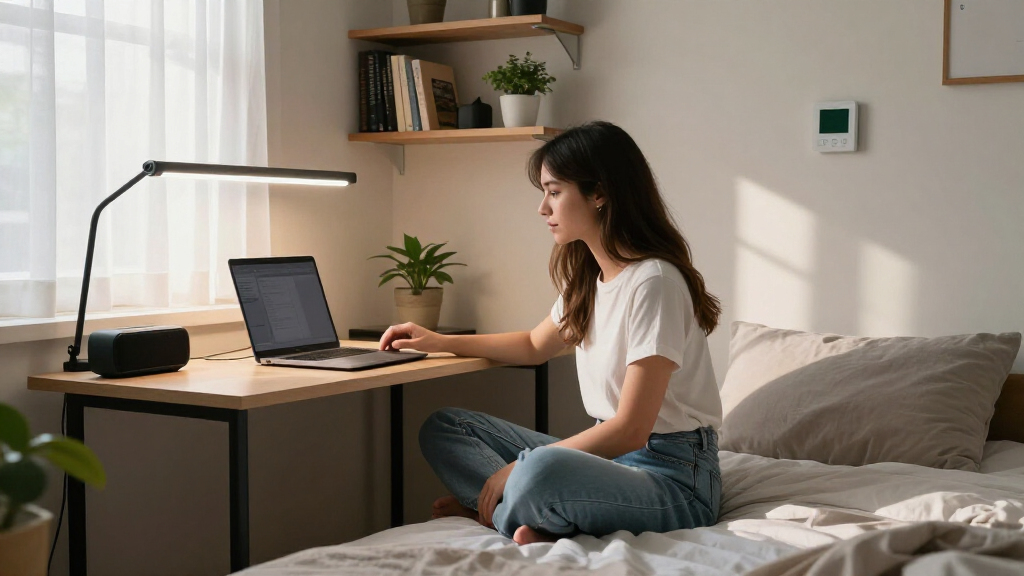
A resident in New York City turned a tiny corner of their bedroom into a functional and inspiring office space. The transformation has attracted significant interest, highlighting innovative use of limited space. Details about the project are confirmed, but the full background remains under discussion.
At a glance
reportWhen: ongoing; gaining attention over the pas…
The developmentA small corner of an NYC bedroom was converted into an inspiring office, drawing widespread attention and sparking interest in space-efficient work setups.
Why the NYC Small Space Office Inspires Broader Trends
This transformation highlights how individuals are increasingly adapting their living environments to meet work demands, especially in high-density cities where space is at a premium. The viral attention suggests a growing interest in creative, space-efficient home office solutions, which could influence future interior design approaches and remote work practices. It also underscores the importance of mental and physical well-being in small, personalized workspaces, making this a noteworthy example of urban innovation in everyday life.Amazon
compact ergonomic desk for small spaces
As an affiliate, we earn on qualifying purchases.
As an affiliate, we earn on qualifying purchases.
Small Living Spaces and the Rise of Creative Home Offices
Over the past few years, the COVID-19 pandemic accelerated the shift toward remote work, prompting many urban residents to optimize their limited living spaces for productivity. In New York City, where real estate prices and apartment sizes are among the highest in the country, residents have increasingly sought inventive ways to create functional work environments within small footprints. Social media has amplified this trend, with numerous posts showcasing compact, stylish, and efficient home office setups. The recent viral attention to this particular corner underscores the ongoing challenge and opportunity of transforming tiny spaces into inspiring work zones, reflecting broader urban living adaptations.Amazon
As an affiliate, we earn on qualifying purchases.
Extent of Broader Adoption and Impact Unclear
It is not yet clear how widespread such small-space office transformations are or whether this specific example will influence broader design trends. While the setup has gained viral attention, the long-term impact on remote work practices and interior design remains uncertain. Additional examples and data are needed to assess whether this is a localized phenomenon or part of a larger movement.Amazon
As an affiliate, we earn on qualifying purchases.
Potential for Increased Small-Space Office Innovations
As interest in maximizing small living spaces continues, more residents and designers may experiment with similar transformations. Future developments could include more scalable or modular solutions for tiny home offices. Monitoring social media and design publications over the coming months will reveal whether this trend gains momentum or remains a niche phenomenon. Urban planners and interior designers might also explore new strategies for compact workspace optimization in high-density cities.Amazon
As an affiliate, we earn on qualifying purchases.
Key Questions
How did the resident create the small office space?
The resident repurposed a 2×3 foot corner of their bedroom by adding a compact desk, ergonomic chair, and decorative elements like plants and motivational quotes, all within a few days.Why is this small space considered inspiring?
Because it demonstrates how limited space can be transformed into a productive and aesthetically pleasing work environment, inspiring others to optimize their own small living areas.Is this trend common among NYC residents?
While this specific example has gone viral, many NYC residents are exploring creative solutions to adapt small apartments for remote work, reflecting a broader trend of space optimization.Could this influence future home office designs?
Potentially, as the popularity of such innovative setups may encourage designers and furniture makers to develop more compact, functional office furniture suited for small spaces.What remains uncertain about this development?
It is unclear how widespread these transformations will become or whether they will have a lasting impact on remote work and interior design practices in dense urban environments.Source: rss
Fall yard work Picks
leaf blowers
leaf blowers
As an affiliate, we earn on qualifying purchases.