
TL;DR

Get home appliances delivered free with Prime
- Fast, free delivery on millions of items
- Prime Video, Amazon Music and more included
- Member-only deals all year
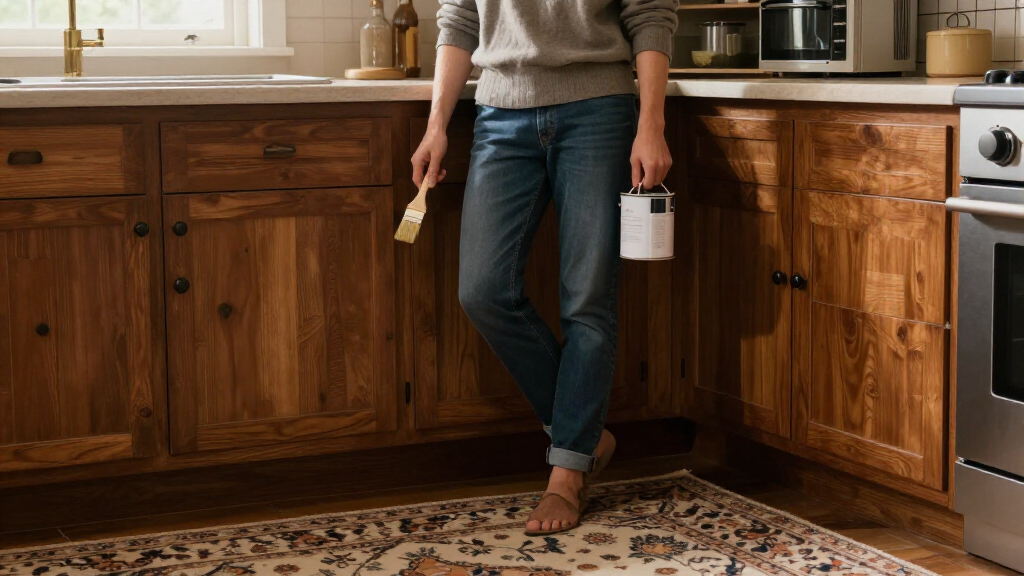
A homeowner has preserved the original carpet in a 100-year-old kitchen, transforming it into a feature that honors the home’s history. This decision reflects a broader trend in historic preservation.
A homeowner has preserved the original carpet in a 100-year-old kitchen, turning it into a historic feature that celebrates the home’s past. This decision underscores a growing interest in maintaining original interior details during restoration projects, emphasizing the importance of historical authenticity.
The house, built in the early 20th century, was found to still contain the original carpet in the kitchen, which had been covered by later renovations over the decades. Instead of replacing or removing it, the homeowner chose to retain and restore the carpet, citing its historical significance and unique character.
Experts in historic preservation have noted that original flooring, including carpets, can offer valuable insights into the home’s past. The homeowner worked with preservation specialists to clean and stabilize the carpet, ensuring its longevity while respecting its age and condition.
This approach marks a departure from traditional renovation practices, where original interior elements are often replaced with modern materials. The decision has received attention from preservation advocates and local historians, who see it as a meaningful way to honor the home’s history.
Implications for Historic Home Restoration
This preservation effort demonstrates a shift toward valuing and maintaining original interior features in historic homes. It highlights the importance of context and authenticity in restoration projects, encouraging homeowners and professionals to consider preserving elements like carpets, wallpapers, and fixtures that reflect the home’s era.
By choosing to honor the original carpet, the homeowner is contributing to a broader movement that seeks to retain the character and stories embedded in historic properties. This approach may influence future restoration practices and policies, emphasizing preservation over replacement.
As an affiliate, we earn on qualifying purchases.
Historic Preservation Trends and the 100-Year-Old Home
Many homes built in the early 20th century have undergone multiple renovations, often resulting in the loss of original interior features. Traditionally, modern updates prioritized functionality and aesthetics over historical accuracy, leading to the replacement of old flooring, wallpaper, and fixtures.
In recent years, however, there has been a growing appreciation for the cultural and historical value of original elements. Preservationists advocate for minimal intervention, aiming to maintain as much of the original fabric as possible. The case of this century-old kitchen with its preserved carpet exemplifies this trend, showcasing a renewed respect for the craftsmanship and materials of the past.
This movement aligns with broader efforts to preserve historic districts and buildings, emphasizing authenticity and storytelling in restoration.
antique kitchen flooring preservation
As an affiliate, we earn on qualifying purchases.
As an affiliate, we earn on qualifying purchases.
Remaining Questions About Preservation and Condition
It is not yet clear how the preserved carpet will fare over time, considering its age and condition. Experts are still assessing the long-term stability of the material and whether further conservation efforts will be needed.
Additionally, the extent to which this approach will influence broader preservation practices remains uncertain. While gaining attention, it is unclear if more homeowners will adopt similar strategies or if this remains an isolated case.
As an affiliate, we earn on qualifying purchases.
Next Steps for the Home and Preservation Community
The homeowner plans to monitor the condition of the preserved carpet and may undertake additional conservation work if necessary. They also intend to share their experience with local preservation groups and online forums to encourage similar efforts.
Professionals in historic restoration are watching this case as a potential example of balancing preservation with modern living. Future projects may incorporate similar strategies, emphasizing minimal intervention and respect for original materials.
As an affiliate, we earn on qualifying purchases.
Key Questions
Why did the homeowner choose to preserve the original carpet?
The homeowner wanted to honor the home’s history and maintain its original character, viewing the carpet as an important historical element that tells the story of the house’s past.
Is preserving old carpets common in historic home restorations?
While not widespread, there is a growing movement among preservationists to retain original interior features, including carpets, especially when they are in good condition and hold historical significance.
What are the risks of keeping an old carpet in a historic home?
Older carpets may pose challenges related to durability, cleanliness, and safety. Experts recommend careful assessment and conservation to ensure longevity and health considerations.
Will this influence future preservation projects?
This case may inspire more homeowners and professionals to consider preserving original interior elements, fostering a broader shift toward authenticity in historic restoration.
What is the next step for the homeowner regarding the carpet?
The homeowner plans to monitor the carpet’s condition and may undertake further conservation work if needed, aiming to preserve it for years to come.
Source: rss
Cold & flu season Picks
humidifiers
As an affiliate, we earn on qualifying purchases.