TL;DR

Get home appliances delivered free with Prime
- Fast, free delivery on millions of items
- Prime Video, Amazon Music and more included
- Member-only deals all year
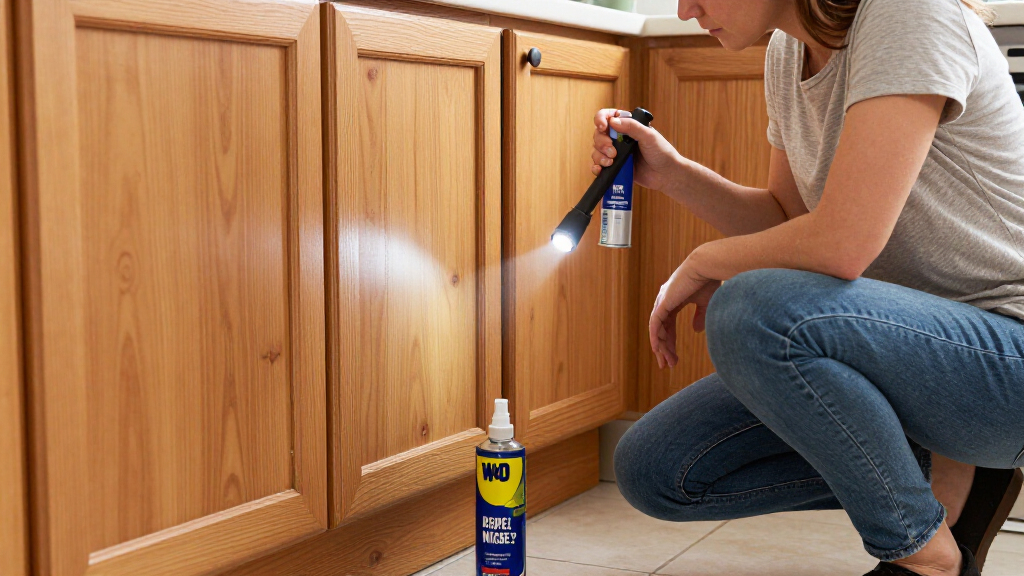
Pest-control experts cited by Hunker say WD-40 is not a reliable, evidence-based way to repel mice, and its odor is not a dependable barrier. They recommend preventing entry, removing food and water sources, and contacting a professional for signs of an infestation.
WD-40 is not a proven mouse repellent, according to pest-control experts interviewed by Hunker, who warn that spraying the lubricant around a home is unlikely to keep rodents out and can introduce safety and cleanup concerns. They recommend sealing entry points and removing food and water sources rather than relying on the product’s odor.
Josh Petro, operations manager at Truly Nolen Pest Control, told Hunker there is no reliable, evidence-based proof that WD-40 discourages mice or other rodents. He said spraying it around a home’s perimeter is unlikely to form a barrier. The idea behind the hack appears to be that mice, which have a strong sense of smell, will avoid the product’s petroleum- and solvent-like odor; Petro said the smell eventually fades.
Petro also raised concerns beyond effectiveness. He described WD-40 as a flammable aerosol containing petroleum-based hydrocarbons and said its vapors or mist can irritate the respiratory system or cause dizziness and other nervous-system effects. Exposure can also irritate or dry the skin and eyes. Spraying it around doors and windows may leave sticky residue that collects dirt, pollen and other debris.
For prevention, Petro recommends exclusion and removing attractants: block access to food and water and seal openings. Jim Fredericks, a board-certified entomologist and senior vice president of public affairs at the National Pest Management Association, advises sealing cracks and holes, replacing loose mortar and weather stripping, storing food in sealed plastic containers, and keeping firewood at least 20 feet from the house and five feet off the ground. Both experts say visible mice or signs such as droppings and gnaw marks can warrant further action.
Why a Mouse Deterrent Matters
The distinction matters because a failed deterrent can leave an infestation unaddressed while giving homeowners a false sense of protection. Fredericks told Hunker that rodents can spread more than 35 diseases, including hantavirus, lymphocytic choriomeningitis and plague. He also said mice may chew wood and electrical wiring, raising the risk of fire.
The source report cites pest-control visits averaging $100 to $300, which helps explain the appeal of a low-cost home remedy. But those figures do not establish what any particular household will pay, and using WD-40 as a substitute for prevention or professional assessment is not supported by the experts interviewed. The practical concern is whether a method addresses entry points and active rodent activity, rather than merely masking or relying on a fading smell.
As an affiliate, we earn on qualifying purchases.
What Experts Recommend Instead
Mice seek warmth, shelter and food in residential buildings, according to the Hunker report. Fredericks said more than 21 million homes are invaded by mice each winter; the source does not provide a separate methodology or time period beyond that seasonal framing. This context helps explain why a perimeter spray would not address the conditions that attract rodents or the openings they use to enter.
Petro described essential-oil remedies, including peppermint, as possible natural options, but his main recommendation was not a scent-based repellent. He called the safest and most reliable do-it-yourself approach exclusion plus attractant removal, with traps used if mice are already inside. The report does not establish peppermint oil as a proven standalone solution. It also advises homeowners to contact a qualified pest professional when there are signs of a substantial or recurring problem.
“The safest and most reliable DIY approach is not really a ‘repellent’. It is exclusion plus removing attractants, with traps only if mice are already inside.”
— Josh Petro, speaking to Hunker
rodent exclusion door and window seals
As an affiliate, we earn on qualifying purchases.
As an affiliate, we earn on qualifying purchases.
Limits of the WD-40 Evidence
The source reports the experts’ assessment that WD-40 has no reliable, evidence-based record as a rodent repellent, but it does not describe a controlled test comparing the product with other deterrents. The article therefore supports the conclusion that homeowners should not rely on WD-40; it does not quantify how often a mouse might avoid a treated area or how conditions affect rodent behavior.
The report also does not establish that peppermint oil will reliably repel mice, nor does it give a diagnosis for a particular home. The extent of an infestation, likely entry routes, appropriate traps and any treatment plan depend on the property and the evidence present. The seasonal household figure and pest-control cost range are reported figures, not individualized forecasts.
sealed plastic food storage containers
As an affiliate, we earn on qualifying purchases.
As an affiliate, we earn on qualifying purchases.
Steps for Homeowners Now
Homeowners concerned about mice can begin by checking for cracks and gaps, repairing loose weather stripping or mortar, and storing food in sealed containers. Remove accessible food and water, and keep firewood away from the house as Fredericks advises. These steps target likely access and attractants; WD-40 should not be treated as a protective barrier.
If mice are already indoors, look for droppings, gnaw marks, greasy tracking marks or signs of damage. Fredericks recommends contacting a qualified pest-control professional when mice or telltale signs appear. Petro says professional help is the safer choice if rodents contaminate food or damage wiring or structures, if there are multiple mice or substantial droppings, or if do-it-yourself treatment would involve potentially hazardous chemicals. The source does not identify a scheduled follow-up or new study; the next practical step is to assess the home and seek qualified help when the signs warrant it.
As an affiliate, we earn on qualifying purchases.
Key Questions
Will WD-40 keep mice away?
Experts interviewed by Hunker say no reliable evidence shows that WD-40 repels mice. Its odor may fade, and spraying it around a home’s perimeter is not considered a dependable barrier.
Is it safe to spray WD-40 around doors and windows?
The report warns that WD-40 is a flammable aerosol and that its vapors or mist can cause respiratory irritation, dizziness or other effects. It may also irritate skin and eyes and leave sticky residue. The experts do not recommend it as a mouse treatment.
What should I do to prevent mice from entering?
Seal cracks and holes, repair loose mortar and weather stripping, store food in sealed containers, and limit access to food and water. Fredericks also advises keeping firewood at least 20 feet from the home and five feet off the ground.
When should I call a pest-control professional?
Consider professional help if you see mice, droppings or gnaw marks, or find contamination or damage to wiring or structures. Petro also advises calling when there are multiple mice or substantial signs of activity, or when a do-it-yourself treatment would involve potentially hazardous chemicals.
Source: rss
NFL season / tailgating Picks
team gear
As an affiliate, we earn on qualifying purchases.