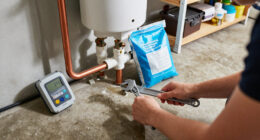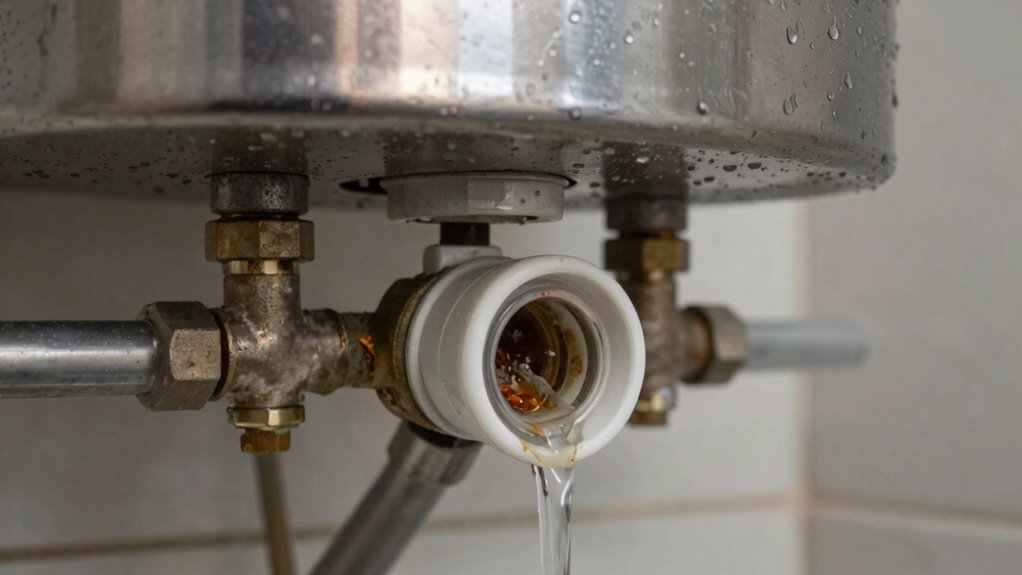

Your water heater can reveal a lot about your raw water quality through signs like mineral buildup, corrosion, or unusual noises. Excessive scale indicates high mineral content, which can harm efficiency and reduce lifespan. Rust-colored stains or leaks point to corrosion issues. Monitoring these clues helps you identify problems early and decide on treatment options. If you want to uncover more about what your water heater shows about your water quality, there’s plenty to explore.

Get home appliances delivered free with Prime
- Fast, free delivery on millions of items
- Prime Video, Amazon Music and more included
- Member-only deals all year
Key Takeaways
- Scale buildup indicates high mineral content, suggesting hard water with excess calcium and magnesium.
- Rust-colored stains and corrosion signs reveal potential corrosive elements in raw water.
- Reduced hot water output and increased energy bills can signal mineral deposits affecting heater efficiency.
- Unusual noises or leaks may point to internal corrosion caused by poor water quality.
- Regular water testing helps identify pH levels and mineral content, enabling targeted water treatment.
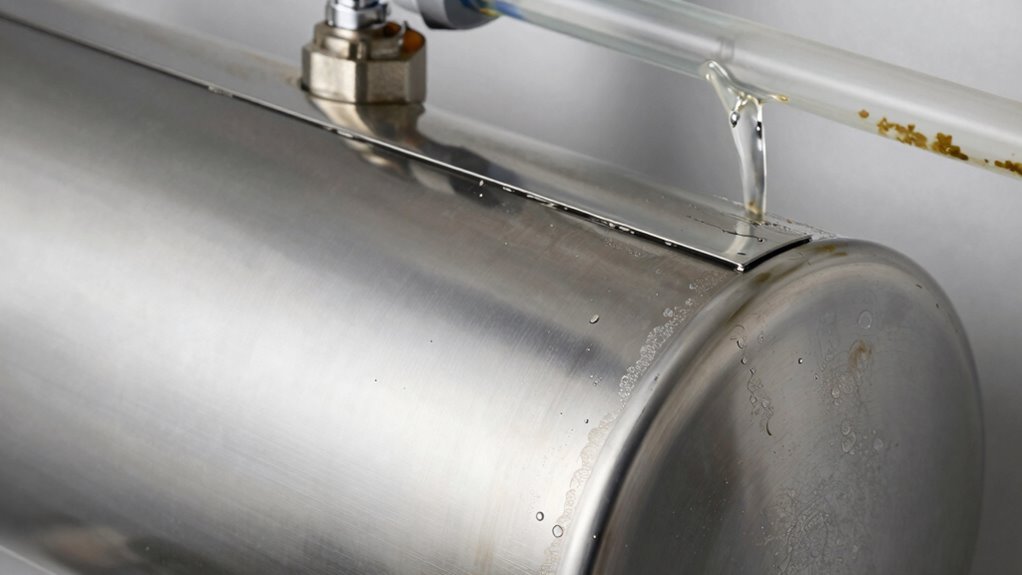
Understanding the quality of raw water is vital because it directly impacts the performance and lifespan of your water heater. When your heater starts showing signs of inefficiency or damage, it’s often a reflection of the water it’s processing. One of the most common issues you’ll notice is scale buildup, which occurs when minerals like calcium and magnesium precipitate out of the water and accumulate on heating elements and inside the tank. Over time, this buildup acts like an insulator, reducing the heater’s efficiency because it hampers heat transfer. You might see a decrease in hot water output or an increase in energy bills, both signs that mineral deposits are interfering with your system. Regularly inspecting for scale buildup can help you catch these problems early, saving you money and preventing potential breakdowns. Additionally, implementing water treatment solutions can help mitigate these issues before they escalate. Proper water testing can provide a comprehensive understanding of your water’s mineral content and overall quality.
Corrosion effects are another vital indicator of raw water quality. If you observe rust-colored stains around your fixtures or hear unusual noises from your water heater, it could be a sign that your water contains high levels of corrosive elements. Hard or acidic water can accelerate the deterioration of your heater’s tank and internal components, leading to leaks or complete failure. Corrosion not only shortens the lifespan of your appliance but also contaminates your water supply, posing health risks if not addressed. To prevent these effects, you should test your water regularly for pH levels and mineral content, especially if you notice any early signs of corrosion or mineral deposits. Monitoring raw water quality helps you identify potential issues before they cause significant damage. Additionally, understanding water chemistry enables you to implement targeted treatment solutions tailored to your water’s specific composition. Recognizing these signs early allows for timely intervention, which is crucial for maintaining a safe and reliable water supply.
Your water heater’s performance offers valuable insights into the raw water you’re using. Excessive scale buildup suggests high mineral content, requiring you to contemplate water treatment options like softening or filtration systems. Meanwhile, corrosion effects point to water that’s too acidic or contaminated with corrosive agents, indicating a need for pH balancing or other corrective measures. By paying close attention to these signs, you can better understand your water’s quality and take appropriate steps to protect your appliance. Not only will this extend the life of your water heater, but it will also ensure your water remains safe and efficient for daily use. Recognizing the clues your heater provides allows you to address water quality issues proactively, saving you money and preventing inconvenient breakdowns down the line.
As an affiliate, we earn on qualifying purchases.
Frequently Asked Questions
How Often Should I Flush My Water Heater for Optimal Performance?
You should flush your water heater at least once a year to prevent sediment accumulation, which can impair efficiency and shorten tank lifespan. Regular flushing removes mineral buildup and debris that settle at the bottom. If you notice reduced hot water or strange noises, consider flushing more frequently. Maintaining a yearly schedule helps your water heater run efficiently, extends its lifespan, and guarantees better water quality for your household.
Can Mineral Buildup in My Water Heater Affect Household Plumbing?
Yes, mineral buildup in your water heater can affect your household plumbing. Mineral deposits, like calcium and magnesium, can accumulate and lead to plumbing corrosion over time. These deposits may clog pipes, reduce water flow, and cause leaks. Regularly flushing your water heater helps prevent excessive mineral buildup, protecting your plumbing system and ensuring your household water supply remains clean and efficient.
What Are Signs My Water Heater Is Corroding?
You’ll notice signs like rust-colored water, a metallic taste, or leaks around your water heater, indicating corrosion detection. If you observe these, your heater’s corrosion might be compromising its lifespan. Regular maintenance can help prevent early deterioration, but persistent issues suggest it’s time to contemplate replacement. Addressing corrosion promptly ensures your water heater functions efficiently and extends its lifespan, saving you money and avoiding unexpected breakdowns.
Does Water Heater Maintenance Improve Raw Water Quality?
Yes, water heater maintenance improves raw water quality by reducing sediment accumulation and preventing corrosion. Regular flushing removes built-up sediments that can harbor bacteria and affect water clarity. Additionally, inspecting and maintaining anode rods and other parts help prevent corrosion, which can leach unwanted metals into your water. Overall, routine maintenance guarantees cleaner, safer water and prolongs your heater’s lifespan, benefiting your entire home’s water quality.
Are There Specific Water Heater Models Better for Raw Water?
Yes, some water heater models offer better raw water compatibility, boosting water heater efficiency. Look for units with corrosion-resistant tanks and advanced filtration options, as these handle raw water with high mineral content or contaminants more effectively. Tankless or high-grade stainless steel models tend to be more resilient, ensuring your heater maintains efficiency and durability despite raw water’s challenges. Selecting the right model helps prevent frequent repairs and extends its lifespan.
water testing kit for mineral content
As an affiliate, we earn on qualifying purchases.
As an affiliate, we earn on qualifying purchases.
Conclusion
Your water heater isn’t just a comfort—it’s a silent indicator of your raw water quality. By paying attention to what it reveals, you can catch potential issues early and take action before they escalate. Regular maintenance and testing help guarantee your water stays clean and safe. Isn’t it worth knowing what your water heater says about your water’s health? Stay vigilant, and keep your water flowing pure and clear.
water softening system for hard water
As an affiliate, we earn on qualifying purchases.
As an affiliate, we earn on qualifying purchases.
corrosion inhibitor for water heaters
As an affiliate, we earn on qualifying purchases.
As an affiliate, we earn on qualifying purchases.
Halloween Picks
halloween
As an affiliate, we earn on qualifying purchases.