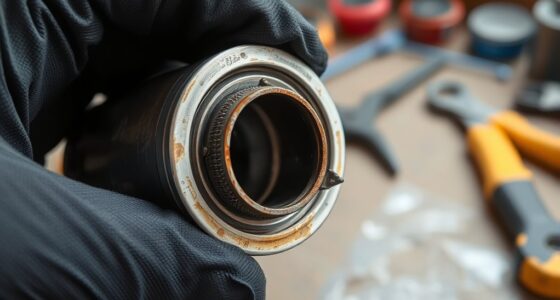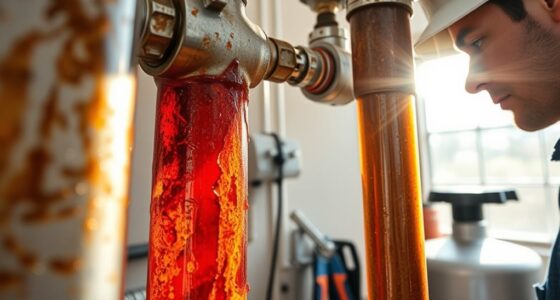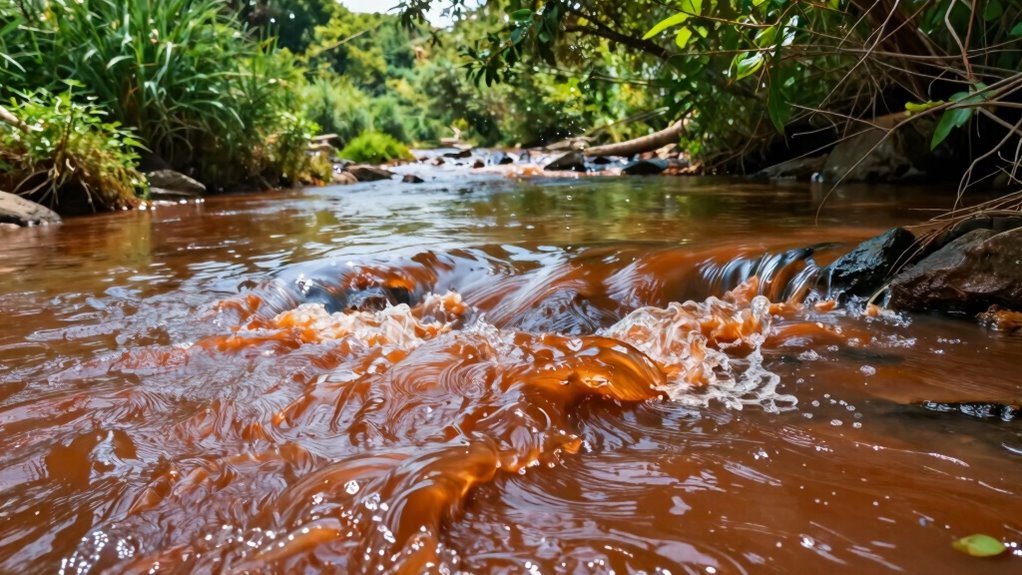

If brown water suddenly appears, start by avoiding drinking or using it and run cold water from multiple fixtures to see if discoloration clears. Check if only one faucet is affected or if it’s throughout your home, which helps identify if the issue is local or systemic. Consider recent plumbing work or sediment disturbances. For thorough solutions and long-term prevention, consulting a licensed plumber is wise. If you keep exploring, you’ll discover steps to fix the problem effectively.

Get home appliances delivered free — and shop member deals
- Fast, free delivery on millions of items
- Access to Prime Big Deal Days deals on October 6–7
- Prime Video, Amazon Music and more included
Key Takeaways
- Check if brown water is affecting multiple fixtures or just one to identify if the issue is localized or widespread.
- Run cold water from various faucets to see if discoloration persists and determine if hot water is also affected.
- Avoid using or drinking discolored water until a professional inspects the cause to ensure safety.
- Note recent plumbing work or nearby construction that might have stirred sediment or caused rust.
- Schedule a licensed plumber inspection to assess pipes, water heater, and identify long-term solutions.
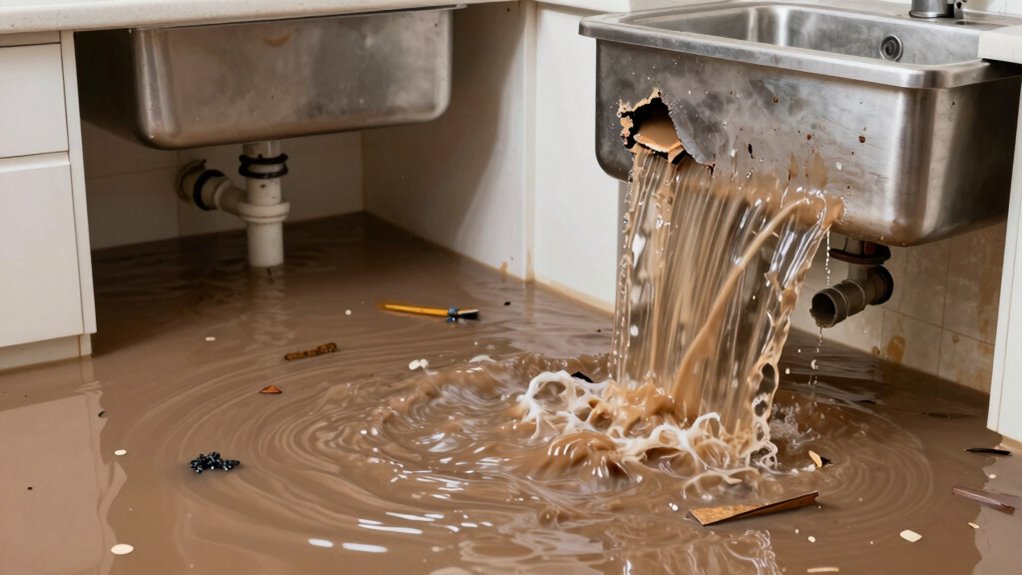
Have you noticed brown water coming from your tap? It’s unsettling and can leave you wondering what’s going on with your plumbing. Brown water is usually a sign of water discoloration, which often results from rust, sediment, or mineral buildup inside your pipes or water source. Before jumping to conclusions or panicking, there are some immediate steps you should take to address the issue effectively. The first thing to do is avoid using the water for drinking, cooking, or bathing until you identify the cause, as contaminated water can pose health risks.
Start by checking whether the discoloration is isolated to just one faucet or affects multiple fixtures throughout your home. If only one faucet is producing brown water, the problem might be localized—perhaps a clogged aerator or a minor pipe disturbance. If all the taps are affected, the issue could stem from your main water line or even your municipal supply. To get a clearer picture, run cold water from different faucets, both hot and cold, to see if the water discoloration persists. If it’s only hot water, the problem may be within your water heater, where sediment can settle and cause discoloration when disturbed.
Next, consider whether there have been recent plumbing activities or construction nearby. Sometimes, water discoloration occurs after pipe repairs, flushing, or construction work that stirs up sediment in the pipes. If this is the case, the sediment should clear after a few hours or days. However, if the brown water persists longer, it’s time to move to a more thorough inspection. Schedule a plumbing inspection with a licensed professional who can assess your system for rust, corrosion, or pipe deterioration. A professional can determine if your pipes are aging or damaged and recommend appropriate solutions, such as flushing the system or replacing corroded pipes. Additionally, understanding the source of water discoloration can help you take targeted action to prevent future issues.
While waiting for the inspection, avoid using or consuming the water, and consider running the taps regularly to help flush out loose sediment. Installing filters or water treatment systems can also help prevent future discoloration. Remember, water discoloration isn’t always a sign of a dangerous problem, but it’s always better to be cautious. A plumbing inspection provides peace of mind and ensures that your water quality is safe. Addressing the issue promptly prevents further damage and helps maintain the integrity of your plumbing system, saving you money and stress in the long run. So, when brown water suddenly appears, start with these steps—identify the source, check your fixtures, and call in a professional if needed. Your health and home’s plumbing depend on it.
water filter for sediment removal
As an affiliate, we earn on qualifying purchases.
As an affiliate, we earn on qualifying purchases.
Frequently Asked Questions
Can I Drink the Brown Water Temporarily?
No, you shouldn’t drink brown water temporarily because it poses water safety risks. The discoloration often indicates contaminants or rust, which can make you sick. Before using the water, you should contact plumbing maintenance to identify and fix the issue. Always prioritize safety by avoiding consumption until the water clears and is tested. Proper plumbing maintenance guarantees clean, safe water for your household.
How Long Does It Take to Fix the Issue?
You’ll usually see water treatment and plumbing repair take anywhere from a few hours to a couple of days, depending on the severity of the issue. Picture clear water turning murky—your plumber works diligently, flushing out the problem and replacing corroded pipes. As they work, debris clears, and the water slowly regains its clarity. You can expect a full fix within this timeframe, restoring your water’s safety and quality.
Is It Safe to Shower in Brown Water?
No, it’s not safe to shower in brown water because of potential water quality issues and health risks. The discoloration might indicate contaminants or sediments that could irritate your skin or cause respiratory problems if inhaled. Until you get your water tested and verified, avoid using it for bathing, cooking, or drinking. Prioritize checking with local authorities or a professional to ensure your water is safe before resuming normal use.
Will This Affect My Plumbing System Permanently?
Brown water can temporarily affect your water quality, but it usually won’t cause permanent damage to your plumbing integrity. If you notice the discoloration, flushing your system often helps clear it out. However, persistent issues might indicate underlying problems. Keep an eye on your water quality and consider a professional inspection if discoloration lasts, ensuring your plumbing remains in good shape and your water stays safe to use.
Should I Contact a Professional Immediately?
Think of brown water as a red flag waving. You should contact a professional immediately to assess your water quality and prevent potential damage. This situation could escalate, turning into an emergency if left unchecked. Being prepared means acting swiftly, so don’t delay. A plumber will diagnose the issue, ensuring your water remains safe and your plumbing stays in good shape. Prioritize safety and call a pro now.
As an affiliate, we earn on qualifying purchases.
Conclusion
When brown water suddenly appears, acting quickly can prevent bigger issues. For example, imagine noticing discolored water after a storm—you check your main valve and flush the system. By following the “do this first” checklist, you catch problems early and avoid costly repairs. Stay vigilant, keep your system maintained, and don’t hesitate to consult a professional if needed. Quick action saves you time, money, and peace of mind.
As an affiliate, we earn on qualifying purchases.
As an affiliate, we earn on qualifying purchases.
NFL season / tailgating Picks
team gear
As an affiliate, we earn on qualifying purchases.