To winterize your water equipment, start by insulating all exposed pipes with foam sleeves or insulation tubes, especially in unheated areas, and check for any damage. Disconnect outdoor hoses, drain residual water, and add antifreeze solution where necessary as a backup. Keep your home’s heating system running reliably above 55°F and let faucets drip during cold snaps. Regular inspections and maintenance will help you identify and address problems early—continue to explore for detailed steps to ensure your system stays protected.
Key Takeaways
- Insulate all exposed pipes with foam sleeves or wrap-around insulation, focusing on bends and joints.
- Drain outdoor hoses and install faucet covers or insulate fixtures to prevent freezing.
- Maintain indoor temperatures above 55°F and let faucets drip during extreme cold to keep water moving.
- Use non-toxic antifreeze in high-risk pipes as a backup, especially in unheated areas.
- Regularly inspect insulation, covers, and pipes for damage, repairing issues promptly to ensure continuous freeze protection.
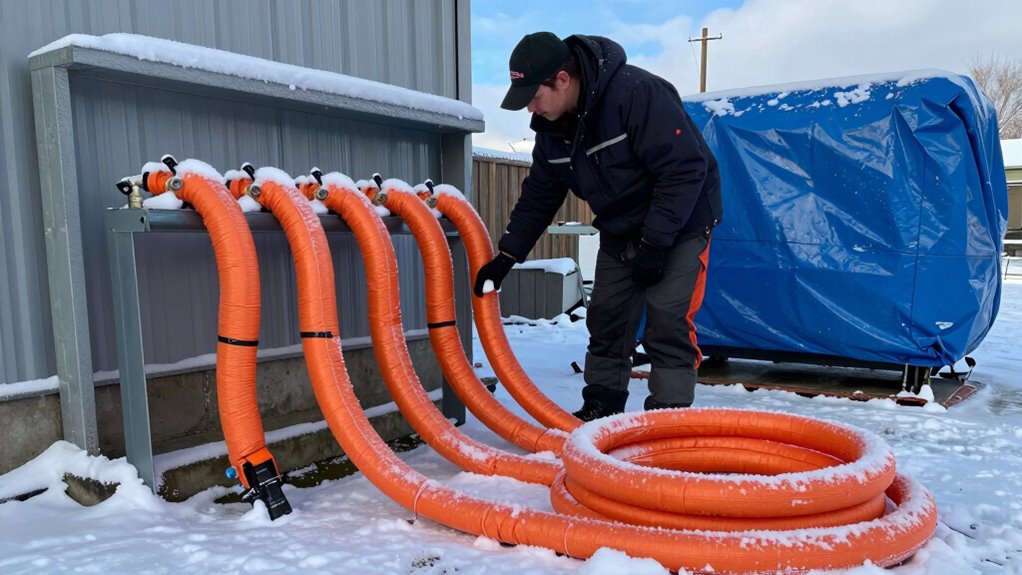
As winter approaches, it’s essential to prepare your water equipment to prevent damage from freezing temperatures. One of the most effective ways to do this is by implementing antifreeze measures and ensuring your pipes are properly insulated. Frozen pipes can burst and cause costly damage, so taking these steps now can save you a lot of trouble later.
Preparing your water system for winter prevents costly damage from frozen pipes.
Start by inspecting all exposed pipes, especially those in unheated areas like basements, garages, or outdoor spaces. Applying pipe insulation is a straightforward but vital step. Foam pipe sleeves or wrap-around insulation tubes can considerably slow down heat loss and keep the water inside from freezing. Make sure to cover the entire length of each pipe, paying special attention to vulnerable spots like bends and joints. If insulation is damaged or missing, replace it immediately. The goal is to create a thermal barrier that minimizes heat transfer, making it easier to maintain a safe temperature inside your pipes.
Alongside insulation, antifreeze measures provide additional protection. For outdoor spigots, hoses, or sprinkler lines, disconnect hoses and drain any remaining water. Install outdoor faucet covers or wrap the fixtures with insulated pads to shield them from cold air. For pipes that are at high risk or located in unheated areas, you might consider using a commercial antifreeze solution, such as non-toxic RV or marine antifreeze, which can be poured into the pipes or fixtures. This step is especially important if you’re expecting prolonged cold snaps. Keep in mind that antifreeze measures are a backup; insulation should always be your first line of defense. Additionally, understanding proper winterization techniques can help you better prepare your water system for harsh weather conditions.
Another key step is to keep your home’s heating system functioning properly. Maintain a consistent temperature inside, ideally no lower than 55°F (13°C). During extremely cold weather, let faucets drip slightly to keep water moving through the pipes, reducing the chance of freezing. If you’re leaving town, consider draining the water from your pipes or shutting off the main water supply to prevent any leaks or bursts in your absence.
Finally, check all your equipment regularly during winter. Look for cracks, leaks, or any signs of deterioration in your insulation or antifreeze measures. Make sure outdoor covers are secure and intact. Small issues can quickly turn into major problems when temperatures drop further, so staying proactive is key. By combining proper pipe insulation, antifreeze measures, and routine inspections, you’ll be well-prepared to keep your water system safe and functional throughout the winter months.

Duck Brand Foam Pipe Covers, Pipe Insulation Foam Tubes for Hot and Cold Water Pipes, Pre Slit and Self Sealing Adhesive Edge, 0.75 in. x 1 Ft., 6 Sticks Per Package, 6 Feet Total, Black
Duck Brand insulating foam pipe stick covers are great for insulating both hot and cold water pipes
As an affiliate, we earn on qualifying purchases.
As an affiliate, we earn on qualifying purchases.
Frequently Asked Questions
What Are the Signs of Water Equipment Freeze Damage?
If your water equipment has freeze damage, you’ll notice cracked or burst pipes, often accompanied by leaks or visible water around pipe joints. Valve leaks can also occur, indicating damage to seals or fittings. Check for frost or ice buildup on pipes, which suggests inadequate insulation. If you see these signs, it’s time to inspect your pipe insulation and repair or replace damaged components to prevent further issues.
How Often Should I Inspect Water Equipment for Winter?
You should inspect your water equipment at least monthly during the winter months. An inspection schedule helps you catch potential issues early, ensuring proper freeze protection. Regular maintenance frequency is key to preventing damage from freezing temperatures. Check for leaks, insulation integrity, and signs of frost or ice buildup. Staying proactive with your inspections keeps your equipment functioning smoothly and reduces the risk of costly repairs caused by freeze damage.
Can I Winterize Water Equipment Myself or Hire a Professional?
You can definitely winterize your water equipment yourself, but it’s like steering a maze—easy to get lost in the details. Follow DIY tips carefully to prevent costly mistakes. However, if you’re unsure or want peace of mind, hiring professional services ensures thorough protection. Professionals bring expertise and proper tools, making winterizing hassle-free. Decide based on your comfort level, but remember, proper winterization safeguards your equipment from costly damage.
What Types of Antifreeze Are Safe for Water Systems?
You should use safe antifreeze options like propylene glycol or ethylene glycol for water systems. Propylene glycol is non-toxic and ideal for potable water lines, while ethylene glycol is more effective but toxic, so it’s best for non-drinking water systems. Always follow manufacturer instructions and local regulations, and consider consulting a professional if you’re unsure. Using the right antifreeze helps prevent freezing and damage during winter.
How Do Temperature Fluctuations Affect Freeze Protection Measures?
Temperature fluctuations can challenge your freeze protection measures by causing unexpected drops or rises that strain your system. You should regularly monitor temperatures to anticipate changes and adjust your strategies accordingly. Implement effective insulation strategies to reduce heat loss during cold spells and maintain consistent temperatures. By combining diligent temperature monitoring with proper insulation, you guarantee your water equipment stays protected against freeze damage, even during unpredictable weather patterns.

2Pack Outdoor Faucet Covers for Winter – Pro 6.7" W x 8.3" H Outdoor Water Faucet Cover Socks for Winter Freeze Protection Pipe Insulation Reusable Waterproof Insulated Spigot backflow Cover,Black
❄【High Compatibility】– Faucet covers for winter measures 6.7" W x 8.3" H, Works well with various faucet types,…
As an affiliate, we earn on qualifying purchases.
As an affiliate, we earn on qualifying purchases.
Conclusion
By taking these simple steps to prepare your water equipment for colder months, you gently steer clear of potential disruptions and keep everything running smoothly. Thoughtful winterizing acts as a subtle safeguard, allowing you to enjoy peace of mind as winter’s chill settles in. With a bit of foresight, you create a graceful buffer that preserves your equipment’s longevity and performance, ensuring you’re well-positioned for a seamless progression into the colder season.
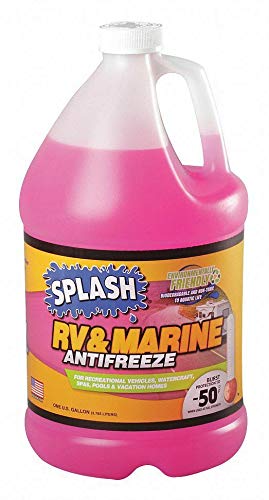
SPLASH RV & Marine Antifreeze -50°F Burst Protection, 1 Gallon (1 Pack)
BURST PROTECTION PERFORMANCE (-50°F) – Helps protect pipes and systems from freezing damage during cold weather storage
As an affiliate, we earn on qualifying purchases.
As an affiliate, we earn on qualifying purchases.
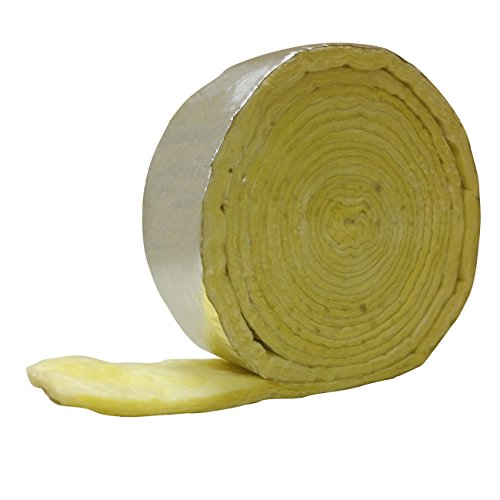
Frost King Foil Backed Fiberglass Pipe Wrap, 3"x1"x25'
The product is manufactured in china
As an affiliate, we earn on qualifying purchases.
As an affiliate, we earn on qualifying purchases.