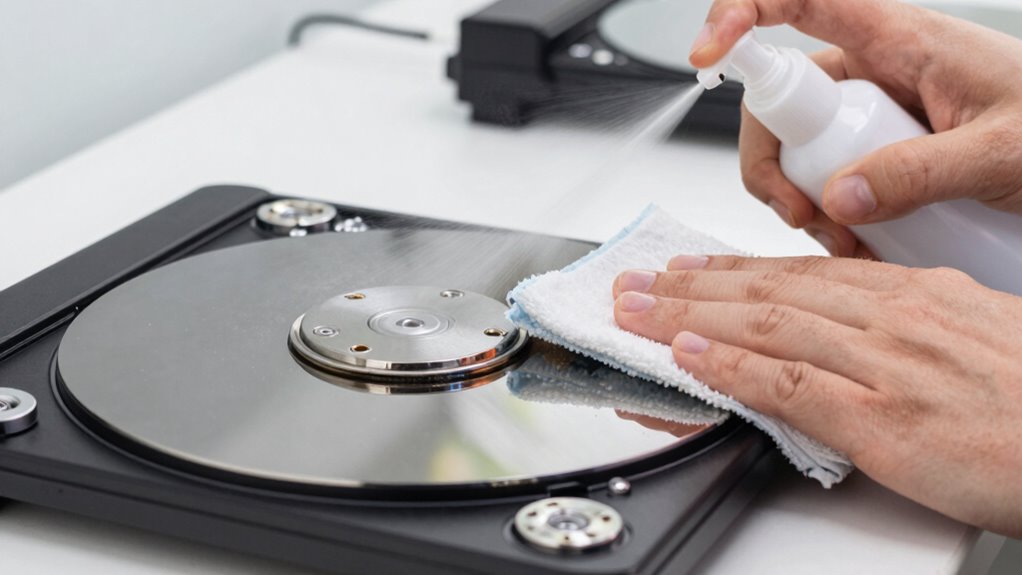
To keep your flow high, regularly clean your spin-down screen by turning off the system and carefully removing it. Use gentle water streams or a soft brush to dislodge debris without harsh chemicals. Check for damage and make sure it’s securely fitted before restarting the equipment. Routine maintenance prevents buildup that causes flow disruptions and inaccurate measurements. Keep your system running smoothly by sticking to this cleaning routine—you’ll discover more tips as you continue.
Key Takeaways
- Regularly shut down equipment and carefully remove the spin-down screen for cleaning.
- Use gentle water streams or soft brushes to dislodge debris without damaging the screen.
- Inspect the screen for wear, cracks, or damage; replace if necessary to maintain flow.
- Ensure the screen is securely reseated and check for leaks or loose fittings post-cleaning.
- Document maintenance activities and schedule routine inspections to sustain high flow rates.
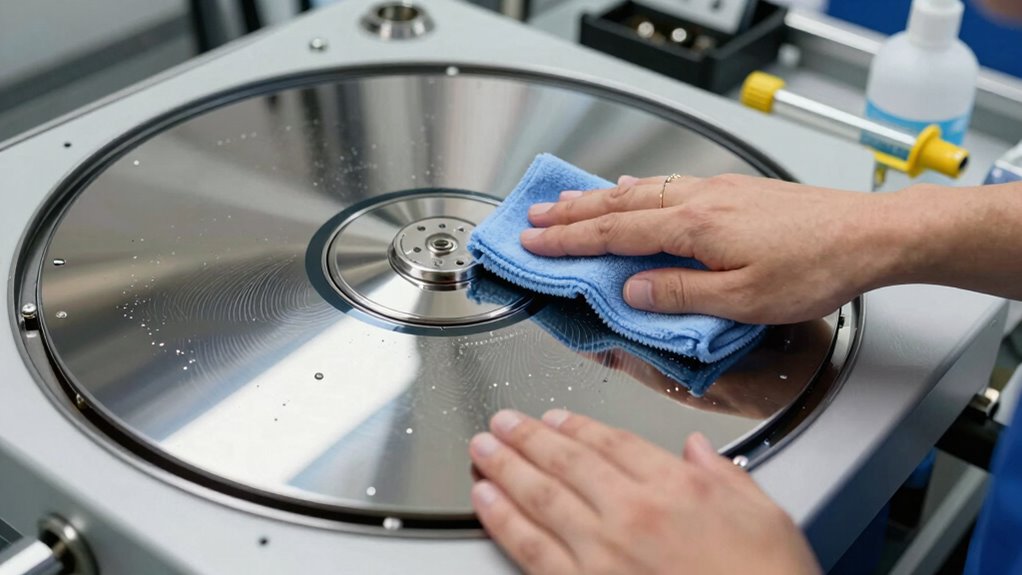
A clean spin-down screen is vital for accurate energy meter readings and reliable performance. When the screen gets clogged with debris or sediment, it can cause false readings, leading to incorrect data collection and potential billing errors. Regularly inspecting and maintaining the filter ensures that your system operates efficiently and prevents costly repairs down the line. You should schedule routine equipment inspection to identify any buildup early before it affects flow rates or damages the system. By staying vigilant, you can catch small issues before they escalate, saving time and money in the long run.
Proper filter maintenance involves more than just cleaning the screen; it requires a systematic approach to keep everything functioning smoothly. Start by shutting down the equipment according to manufacturer instructions to guarantee safety. Remove the spin-down screen carefully, taking note of how it’s positioned, so you can replace it correctly. When cleaning, use a gentle stream of water or a soft brush to dislodge accumulated debris. Avoid harsh chemicals that could damage the screen or leave residues that might interfere with flow. After cleaning, inspect the screen for any signs of wear, cracks, or damage. If you notice any deterioration, replace the screen promptly to maintain peak performance.
Carefully remove, clean gently, and inspect the spin-down screen to ensure optimal performance and longevity.
In addition to cleaning, routine equipment inspection should include checking for leaks, corrosion, or loose fittings around the spin-down screen housing. These issues can compromise the system’s integrity and lead to inaccurate readings or flow disruptions. Make sure the screen sits securely in its position, and verify that no debris has bypassed the filter, which could contaminate downstream equipment. Keeping a detailed maintenance log can help track when inspections and cleanings are performed, prompting timely follow-ups and avoiding overlooked issues.
Consistent filter maintenance not only extends the lifespan of your equipment but also guarantees your flow remains high and steady. When the spin-down screen is clear, water or fluid moves freely, allowing your energy meters to provide precise readings. This accuracy supports better decision-making, operational efficiency, and energy management. Additionally, using high-quality projector screens can further enhance visual clarity and overall system performance. Remember, neglecting routine inspections and cleanings can lead to costly downtime and potential damage to sensitive components. Make it a habit to check the filter regularly, especially if your system handles sediment-heavy water or experiences seasonal changes that introduce more debris.
In essence, maintaining a clean spin-down screen through diligent filter upkeep and equipment inspection is a straightforward yet vital task. It guarantees that your system runs smoothly, delivers accurate data, and avoids unnecessary repairs. Taking the time to perform these routine checks ensures consistent performance, keeps flow high, and ultimately supports your operational success.

iSpring WSP50ARB Spin Down Sediment Water Filter, Reusable with Touch-Screen Auto Flushing Module and Built-in Housing Scraper, Brass Top Clear Housing, 50 Micron
- Reusable and Flushable: Multi-layer filtration extends filter life
- Durable Construction: Brass top, stainless steel mesh, explosion-proof housing
- Easy to Install: Compatible with copper, PEX, CPVC pipes
As an affiliate, we earn on qualifying purchases.
As an affiliate, we earn on qualifying purchases.
Frequently Asked Questions
How Often Should Spin-Down Screens Be Cleaned?
You should clean spin-down screens at least once a month, or more often if you notice reduced flow. During each cleaning, inspect the screen for debris buildup and remove any debris to maintain ideal performance. Regular screen inspection helps identify when cleaning is needed, preventing blockages that could impact flow. Keeping your screens clean ensures efficient operation and prolongs the life of your system.
What Cleaning Agents Are Safest for Spin-Down Screens?
Did you know that using the wrong cleaning agents can cause 60% of screen damage? For safe chemical safety, choose mild, non-abrasive cleaners like diluted dish soap or specialized screen cleaners. Avoid harsh chemicals, as they can deteriorate the screen over time. Cleaning frequency matters too; clean your spin-down screens regularly with gentle agents to maintain peak flow and prevent buildup, ensuring longevity and performance.
Can Improper Cleaning Damage the Screen or System?
Improper cleaning can definitely cause screen damage or system corrosion. If you use harsh chemicals or abrasive materials, you might scratch or weaken the screen, leading to potential failure. Additionally, not rinsing thoroughly can leave residues that cause corrosion over time. Always follow manufacturer guidelines, use gentle cleaning agents, and guarantee complete rinsing to protect your system and keep the screen functioning at its best.
Are There Eco-Friendly Cleaning Options Available?
Yes, eco-friendly cleaning options are available. You can use biodegradable cleaners that break down naturally, reducing environmental impact. Reusable wipes are also a great choice; they minimize waste and can be used multiple times with the right cleaning solution. These options help you keep your spin-down screen clean effectively while being gentle on the planet. Switching to biodegradable cleaners and reusable wipes makes your routine more sustainable without sacrificing performance.
How Can Maintenance Be Scheduled to Minimize Downtime?
You can minimize downtime by integrating preventive maintenance into your scheduling strategies. Instead of reacting to issues, plan regular cleanings and checks during low-demand periods. This proactive approach keeps flow high and reduces unexpected shutdowns. By balancing maintenance with production needs, you guarantee equipment stays ideal without disrupting your workflow. Proper scheduling turns maintenance from a disruption into a seamless part of your operations, keeping everything running smoothly and efficiently.

3 Packs Camera Lens Filter Wrench Kit, CPL UV ND Filter Removal Wrench Tool Set, Fit 37mm-52mm 55mm-72mm 77mm-95mm Lens Thread for Canon Nikon Sony Fujifilm Olympus Panasonic and Other Camera
- Designed for Removing Tight Filters: Removes jammed or over-tightened filters
- Compatible with Various Filters: Fits UV, CPL, ND filters
- Ergonomic Sawtooth Design: Ensures comfortable grip and easy use
As an affiliate, we earn on qualifying purchases.
As an affiliate, we earn on qualifying purchases.
Conclusion
Think of spin-down screen cleaning as your water system’s heartbeat—vital and steady. Keeping your screens clean isn’t just routine; it’s the secret to maintaining high flow and preventing costly downtime. When you stay on top of this simple task, you’re like a skilled conductor ensuring every part of your system plays in harmony. So, make it a habit and watch your flow stay smooth and consistent, just like a well-oiled machine.

3/4" Female NPT in-Line Strainer with 100 mesh Stainless Steel Filter Screen (3/4“ 100 Mesh)
- Filter Screen: 100 mesh stainless steel mesh
- Easy Cleaning: Twist-off bowl for quick cleaning
- Material: Nylon top with clear nylon bowl
As an affiliate, we earn on qualifying purchases.
As an affiliate, we earn on qualifying purchases.

RAINPOINT Water Flow Meter with Brass Inlet & Outlet, 180° Screen-Flip Water Meter, Measure Gallon/Liter Consumption for RV Filling, Garden Watering, Sprinkler and Hoze Nozzle
- Durable Brass Inlet and Outlet: Rust-resistant and long-lasting metal threads
- Universal Installation: Can be installed in any direction
- 180° Flip LCD Screen: Easy to read with one-button flip
As an affiliate, we earn on qualifying purchases.
As an affiliate, we earn on qualifying purchases.