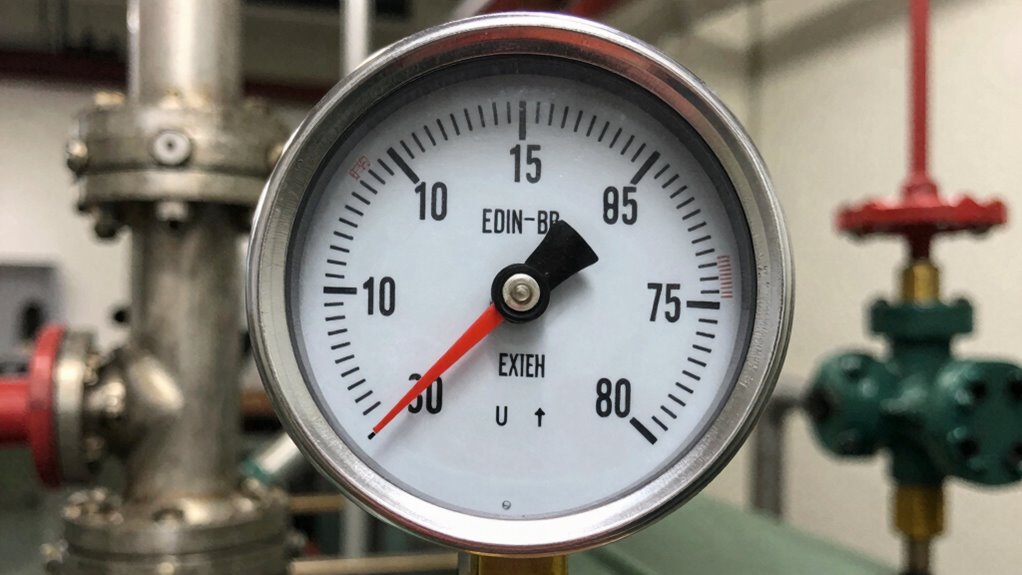

To guarantee system safety, always check that the gauge needle remains steady within 10 seconds before recording or acting. This quick habit helps you avoid transient fluctuations and inaccurate readings that could lead to failures. Position yourself properly, clean the gauge if needed, and verify the needle stays stable. Consistently practicing this simple step keeps your system safe and efficient—keep going to discover more tips to perfect your gauge monitoring skills.
Listen free for 30 days with Audible
Thousands of audiobooks and originals — cancel anytime.
As an affiliate, we earn on qualifying purchases.
Key Takeaways
- Confirm the needle is steady before recording to ensure an accurate reading.
- Perform a quick 10-second check to verify system stability and identify fluctuations.
- Clean the gauge face carefully to prevent dirt or fog from affecting visibility.
- Regularly calibrate gauges to maintain measurement accuracy and prevent drift.
- Position yourself for easy visibility and avoid obstructing the gauge during readings.
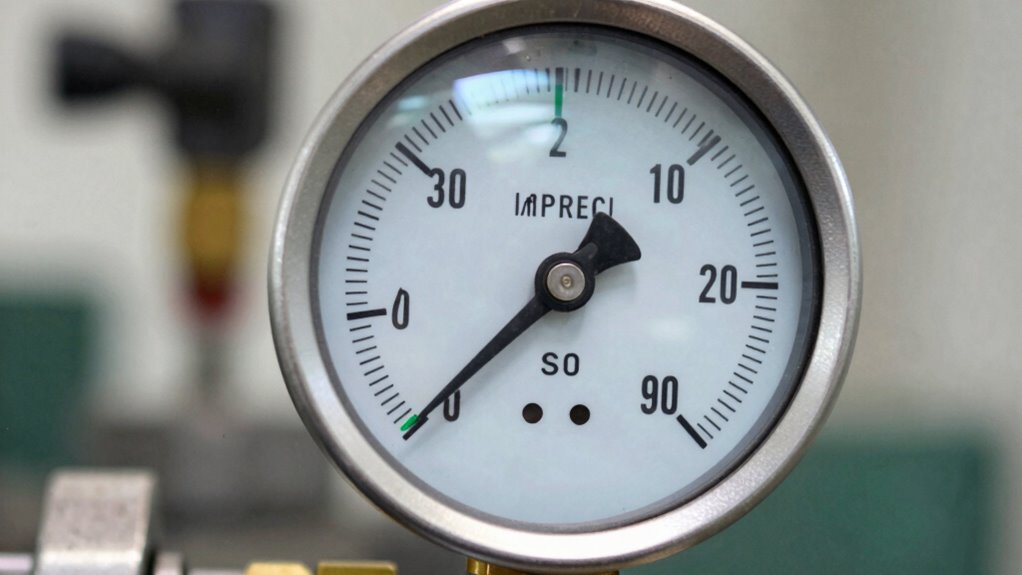
Have you ever wondered how to accurately read a pressure gauge? It’s a crucial skill that guarantees your systems operate safely and efficiently. The first step is understanding the importance of proper reading techniques, which begins with adhering to safety protocols. Always wear the appropriate protective gear and make sure the area around the gauge is clear of hazards before taking a reading. This helps prevent accidents, especially when dealing with high-pressure systems. Once safety is secured, focus on reading the gauge correctly. Check that the needle is steady and not fluctuating, which could indicate a problem or an inaccurate reading. If the gauge’s face is dirty or foggy, clean it carefully to improve visibility, but avoid applying excessive force that might damage the device. Proper gauge placement also ensures easier and more accurate readings, reducing the chance of errors. Accurate readings depend heavily on proper calibration techniques. Regular calibration ensures that your pressure gauges provide precise measurements, which is essential for maintaining system integrity. To calibrate a gauge correctly, use a known reference standard or a calibrated master gauge. Connect the device to this standard and compare the readings. If discrepancies appear, adjust the gauge according to the manufacturer’s instructions or replace it if it’s no longer reliable. Incorporating routine calibration techniques into your maintenance schedule prevents drift and inaccuracies over time, protecting both your equipment and personnel. In addition to calibration, be mindful of the gauge’s position and environment. Install the gauge in a location where it’s easy to read without bending or straining. Avoid exposing gauges to extreme temperatures, vibration, or corrosive substances, as these factors can cause inaccuracies or damage. When taking a reading, give the needle a moment to stabilize before recording the measurement. This ensures you’re not capturing transient fluctuations that don’t reflect the true system pressure. Remember, a quick 10-second check can be enough to verify system health and catch potential issues early.
Frequently Asked Questions
What Are Common Signs of a Faulty Pressure Gauge?
You’ll notice a faulty pressure gauge if it gives inconsistent readings or doesn’t match calibration frequency recommendations. Look out for sudden jumps or fluctuations that don’t align with system changes. Environmental influences, like extreme temperatures or vibrations, can also cause inaccuracies. Regular calibration helps catch issues early, but if you see irregularities despite calibration, it’s time to replace or repair the gauge to guarantee system safety and accuracy.
How Often Should Pressure Gauges Be Calibrated?
You should calibrate your pressure gauges annually or as recommended by the manufacturer to maintain accuracy standards. Follow a consistent calibration schedule to guarantee reliable readings, especially if your system experiences frequent pressure fluctuations or if the gauge is critical for safety. Regular calibration helps catch deviations early, preventing system failures and ensuring precise monitoring. Always document calibration dates and results for compliance and ideal system performance.
Can Environmental Factors Affect Gauge Accuracy?
Yes, environmental factors can affect gauge accuracy. Temperature fluctuations cause the materials inside the gauge to expand or contract, leading to inaccurate readings. Vibration effects from nearby machinery can also disrupt the gauge’s mechanism, resulting in errors. You should regularly check your gauges in stable environments and consider protective measures if your system operates in harsh conditions, ensuring reliable readings and preventing system failures.
What Safety Precautions Are Necessary During Pressure Checks?
Think of pressure checks as walking a tightrope—you need safety gear and proper training to avoid disaster. Always wear protective gloves and goggles, and make certain your workspace is well-ventilated. Before checking, familiarize yourself with the system and follow manufacturer instructions precisely. Never rush the process. Your safety depends on cautious steps, so stay alert, confident, and prepared—because in this high-stakes dance, proper safety precautions keep you grounded.
How Do Different Systems Require Different Pressure Gauge Readings?
You need to take into account system compatibility and pressure range when reading gauges, as different systems demand specific parameters. For example, HVAC systems require different pressure readings than hydraulic or pneumatic equipment. Always ensure your pressure gauge matches the system’s pressure range to get accurate readings and prevent damage. By understanding these differences, you can perform checks safely and effectively, avoiding system failures caused by incorrect pressure assessments.
Conclusion
By checking your pressure gauge just for 10 seconds daily, you could prevent up to 90% of system failures. This quick habit helps catch issues early, saving you time and money. Think of it as a tiny investment of effort that yields big results—like catching a small leak before it becomes a costly flood. Make this 10-second check part of your routine, and you’ll keep systems running smoothly and avoid unexpected breakdowns.
Fall Picks
fall essentials
As an affiliate, we earn on qualifying purchases.