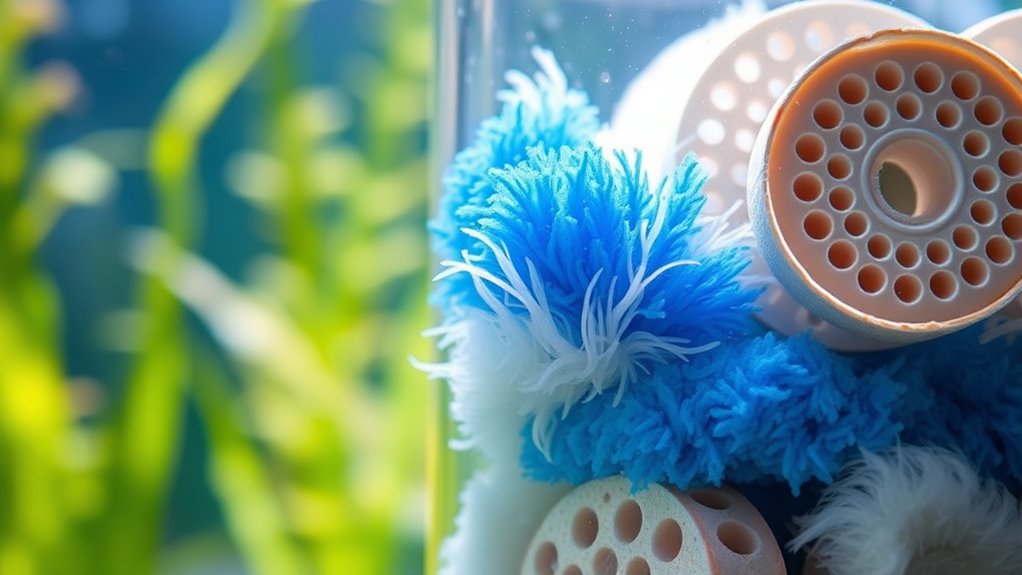

Many believe filter media lasts forever or should be replaced on a strict schedule, but that’s a myth. Your filter’s lifespan varies based on usage, water quality, and media type. You’ll know it’s time to change the filter when flow slows, odors persist, or debris appear. Knowing the factors that influence media life helps you avoid unnecessary replacements or damage. Keep exploring to discover how you can maximize your filter’s performance and longevity effectively.

Get home appliances delivered free — and shop member deals
- Fast, free delivery on millions of items
- Access to Prime Big Deal Days deals on October 6–7
- Prime Video, Amazon Music and more included
Key Takeaways
- No filter media lasts forever; regular replacement is essential regardless of claims.
- High-quality media can last longer but still requires periodic maintenance and replacement.
- Proper cleaning and avoiding overloading extend filter media lifespan.
- Water quality, temperature, and usage significantly influence how long filter media remains effective.
- Recognizing signs like reduced flow or odors helps determine when to replace or clean filter media.
aquarium filter media replacement
As an affiliate, we earn on qualifying purchases.
As an affiliate, we earn on qualifying purchases.
Common Misconceptions About Filter Replacement Intervals
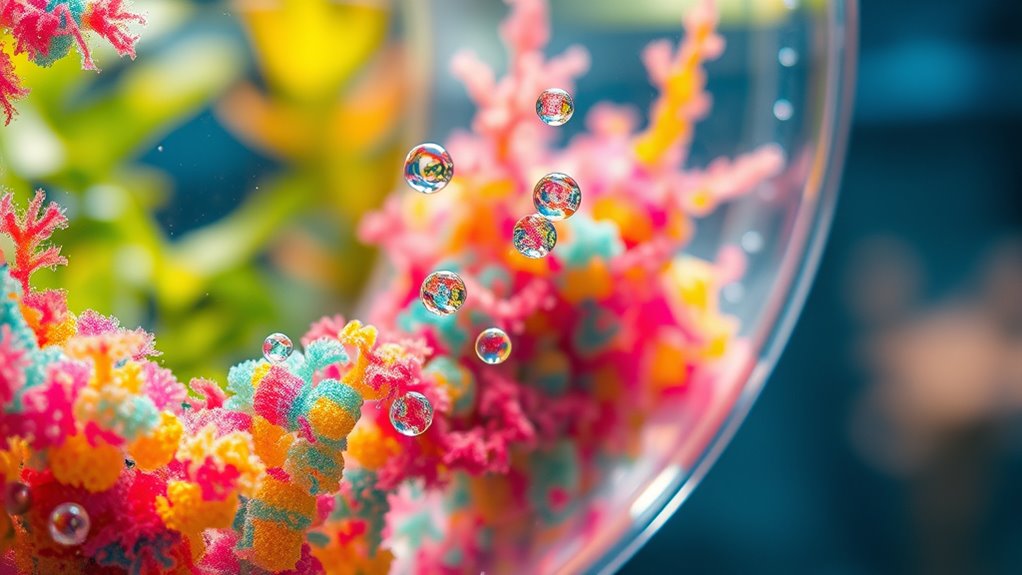
Many people believe that replacing your filter on a fixed schedule, like every three months, is always necessary. However, filter quality varies widely depending on the manufacturer claims and materials used. Some filters are designed to last longer, especially if they’re high-quality and made from durable media. Relying solely on a set timeline can lead to unnecessary replacements or, conversely, letting a filter go too long. It’s important to take into account factors like usage, air quality, and the specific filter’s recommended lifespan. While manufacturer claims provide guidelines, they’re not one-size-fits-all. Understanding the differences in filter quality helps you decide when to replace your filter, ensuring your system runs efficiently without unnecessary changes.
As an affiliate, we earn on qualifying purchases.
How to Recognize When Your Filter Needs Changing

While sticking to a fixed schedule can sometimes help, it’s more effective to pay attention to your filter’s actual condition. Regular filter inspection is key to knowing when to replace it. Look out for these signs:
- Unpleasant odors or persistent smell detection, even after cleaning.
- Reduced airflow or water flow, indicating buildup.
- Visible dirt, debris, or discoloration on the filter media.
- Increased energy bills, which can mean your filter is working harder than it should.
- Decreased air quality levels detected by air quality indicators, signaling that your filter may no longer be effectively removing pollutants.
air purifier filter replacement indicator
As an affiliate, we earn on qualifying purchases.
As an affiliate, we earn on qualifying purchases.
Factors That Influence Filter Media Lifespan
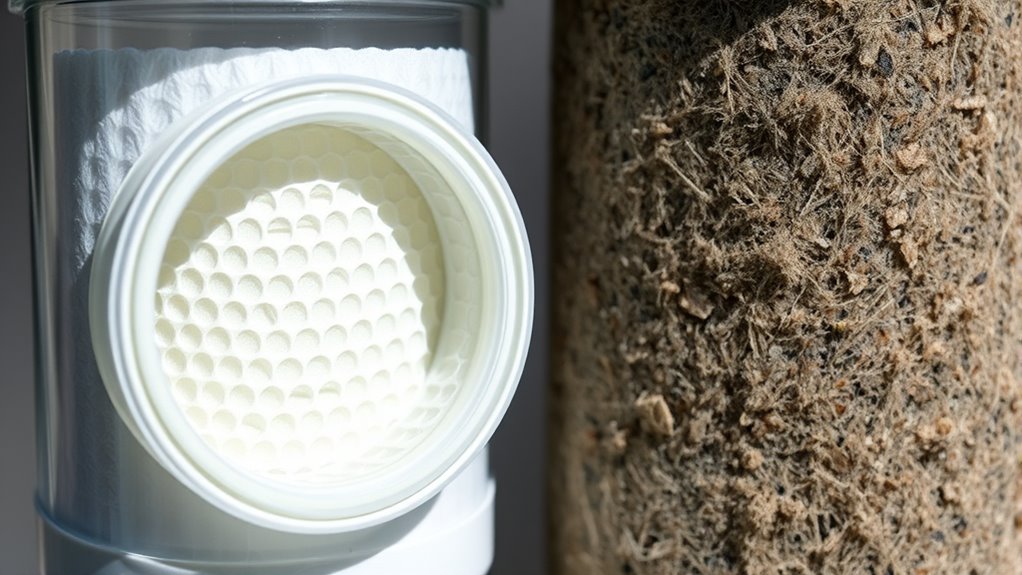
Several factors directly impact how long your filter media lasts, and understanding these can help you extend its effective lifespan. pH levels play a pivotal role; if the water is too acidic or alkaline, it can accelerate media degradation. Maintaining a stable pH helps preserve filter media integrity. Water temperature also influences lifespan—higher temperatures increase biological activity and clogging, causing media to wear out faster. Conversely, colder water slows down filtration but can prolong media life. Additionally, heavy fish loads and frequent cleaning can reduce the filter media’s longevity. Regularly monitoring pH and water temperature, along with proper maintenance, guarantees your filter media performs at its best and lasts longer. Being mindful of these factors helps you avoid premature replacements and keeps your aquarium healthier. Understanding automation technologies in filtration systems can further optimize maintenance routines and extend media lifespan.
As an affiliate, we earn on qualifying purchases.
Debunking the Myth of Indefinitely Lasting Filters
Have you ever assumed your filter will last forever without needing replacement? That’s a common filter myth. No filter media lasts indefinitely, regardless of media longevity claims. Over time, dirt, debris, and biological buildup clog the media, reducing efficiency. To keep your system working properly, consider these facts:
- Media lifespan depends on usage and water quality.
- Even high-quality filters need replacement periodically.
- Manufacturer claims about indefinite media longevity are misleading.
- Regular check-ups prevent costly damage or reduced performance.
- Understanding precious metals investment can help diversify your retirement portfolio and protect your savings.
Tips for Extending the Life of Your Filter Media

To maximize your filter media’s lifespan, regular maintenance and mindful usage are essential. Proper filter maintenance keeps your media performing at its best and prevents premature replacement. Avoid overloading the filter, which can reduce media performance and cause clogging. Rinse or replace media as recommended by manufacturers to maintain efficiency. Use the correct cleaning techniques; harsh chemicals can damage the media. Additionally, monitor water flow and pressure to catch issues early. Here is a quick guide:
| Tip | Benefit |
|---|---|
| Regular media cleaning | Enhances filter performance |
| Avoiding overuse | Extends media lifespan |
| Using appropriate replacements | Maintains peak function |
Being aware of comparative advantage concepts helps optimize your filtration system’s efficiency.
Following these tips ensures your filter media lasts longer and performs better.
Frequently Asked Questions
How Do Water Quality and Usage Affect Filter Media Longevity?
Your water quality and usage markedly impact filter media longevity. High mineralization levels, like calcium or iron, can clog filters faster, reducing their lifespan. Chemical additives such as chloramines or chlorine also strain filter media, causing it to wear out sooner. To extend your filter’s life, use water with balanced mineral content and minimize chemical additives, ensuring your filter works efficiently and lasts longer.
Are There Specific Signs Indicating Filter Media Is Contaminated Beyond Visual Cues?
Have you noticed your filter isn’t performing as well as before? Visual inspection might not reveal contamination, so consider chemical testing to detect hidden issues. Are your water parameters off or cloudy despite regular maintenance? These signs could indicate contamination beyond visual cues. You should regularly test your water and check for unusual odors or discoloration, as these are strong indicators that your filter media may need replacing or cleaning.
Can Certain Environmental Conditions Accelerate Filter Media Deterioration?
Yes, certain environmental conditions can speed up filter media deterioration. Exposure to chemicals can cause chemical degradation, weakening the filter’s structure and effectiveness. High humidity or warm temperatures promote biological growth, leading to clogging and contamination. When you notice these conditions, you should replace or clean your filter sooner to maintain peak performance and prevent health risks. Regularly monitor your environment to extend your filter media’s lifespan effectively.
How Often Should Professional Inspections Be Scheduled for Filter Systems?
Don’t wait until it’s too late to check your filter system. You should schedule professional inspections based on your maintenance schedules and the specific needs of your system, typically every 6 to 12 months. Inspection frequency depends on usage, environmental conditions, and filter type. Regular check-ups help catch problems early, extend filter media lifespan, and keep your system running smoothly. Staying proactive saves you time and money down the road.
What Are the Environmental Impacts of Replacing Filter Media Prematurely?
Replacing filter media prematurely can lead to increased filter waste, which harms the environment by contributing more landfill material. It also means you might discard usable media too early, wasting resources. To be eco-friendly, always dispose of used filter media properly and consider recycling options if available. Extending the lifespan of your filter media reduces waste and minimizes your environmental impact, supporting a healthier planet.
Conclusion
Remember, your filter’s lifespan isn’t set in stone—think of it as a gentle whisper rather than a loud alarm. By staying attentive to signs of wear and understanding the factors at play, you can keep your system running smoothly longer. With a little care and awareness, you’ll enjoy cleaner water and better air quality without the hassle of premature replacements. Embrace the journey—your filter’s health is a quiet partner in your everyday comfort.
Fall Picks
fall essentials
As an affiliate, we earn on qualifying purchases.