
TL;DR
Family Handyman published a refrigerator troubleshooting guide covering common questions about dispenser water, ice makers, freezer temperature, cooling problems, stainless steel and condenser coils. It recommends a freezer setting of 0°F and describes basic cleaning checks, but the supplied report does not include the full answer on diagnosing an ice maker that stops making ice.
Family Handyman has published a refrigerator question-and-answer guide covering common household issues, including water that is not cold at the dispenser, unpleasant-tasting ice, a refrigerator that runs without cooling, and routine coil cleaning. The advice gives readers basic maintenance steps and identifies when a symptom may have more than one cause, while the supplied material does not include the guide’s complete answer about an ice maker that is not producing ice.

Get home appliances delivered free with Prime
- Fast, free delivery on millions of items
- Prime Video, Amazon Music and more included
- Member-only deals all year
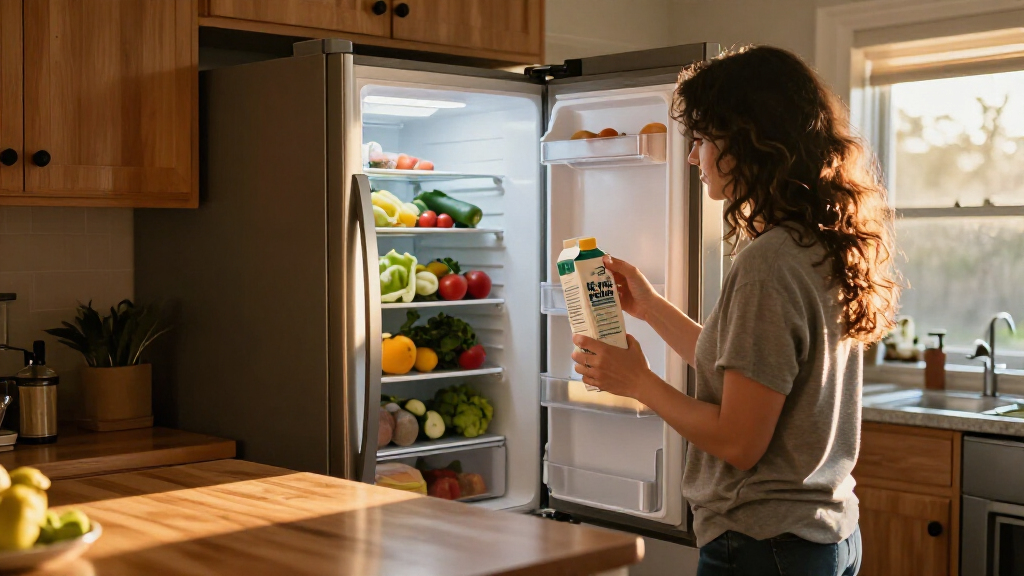
The guide says water from a refrigerator dispenser may not feel cold even when the appliance is working normally. In many newer models, water travels through tubing rather than being held in a chilled reservoir, and parts of that route can be exposed to warmer areas. Family Handyman suggests discarding the first few ounces, waiting at least 15 minutes between large fills, and keeping the refrigerator stocked without overcrowding it.
For ice with an unpleasant smell or taste, the report recommends cleaning the ice maker once or twice a year, depending on use. Its suggested steps include switching the ice maker off, removing and washing the bin with warm soapy water, wiping accessible interior parts, and drying them before reassembly. If the model uses a replaceable water filter, the guide advises installing the correct filter and discarding the first couple of ice batches after restarting the maker.
The report identifies 0°F as the recommended freezer temperature, attributing the recommendation to the U.S. Food and Drug Administration and the U.S. Department of Agriculture. For a refrigerator that runs but does not cool properly, it points to dusty condenser coils, a blocked or obstructed condenser fan, and a door switch that may leave the interior light on. These are possible causes listed by the guide, not a diagnosis of any particular appliance.
Routine Care Can Affect Cooling
The advice matters because refrigerator problems can affect food storage as well as energy use. The guide says dust on condenser coils can make an appliance work harder and may contribute to overheating; it also warns that food can begin warming if the compressor shuts down after overheating. Checking simple maintenance issues can help a household identify a potential problem sooner, though it cannot establish whether a specific refrigerator needs repair.
The temperature guidance also gives readers a practical reference point: a freezer setting of 0°F is the cited target for keeping food frozen. Advice about water temperature can prevent a normal feature of some dispenser designs from being mistaken for a cooling failure. By distinguishing expected behavior from possible faults, the report offers a starting point for troubleshooting without claiming that every symptom has one cause.
Some cleaning steps involve moving or accessing the appliance. The guide instructs users to unplug the refrigerator before cleaning its coils. Readers should follow their model’s manual, avoid damaging components, and seek qualified appliance service if a repair requires electrical work or if the fault persists.
Products Worth Considering

Philips Hue Bridge Pro Starter Kit with 4 A19 E26 Color Smart Bulbs

Levoit Vital 100S-P Air Purifier with Washable Pre-Filter

Ring Battery Doorbell Plus (2nd Gen) and Chime Plus Bundle, Nickel Silver and White
As an affiliate, we earn on qualifying purchases.
The Guide’s Practical Troubleshooting Scope
The source is a Family Handyman list-format report titled “Fix Your Fridge: All Your Questions About Refrigerators Answered.” Its supplied material presents ten numbered items, but the text provided here contains full descriptions for several topics and only the beginning of the final ice-maker troubleshooting answer. It is therefore possible to summarize the included advice, but not to reconstruct every answer in the original article.
The material focuses on basic maintenance and common symptoms, rather than model-specific repair instructions. It notes that water systems and shutoff mechanisms differ among refrigerators and directs readers to the owner’s manual when a model lacks the ice maker’s familiar shutoff arm. It also describes cleaning stainless-steel surfaces with warm water and dish soap, wiping with the grain, and drying to limit spots and residue.
“The ideal freezer temperature is zero degrees.”
— Family Handyman, citing U.S. Food and Drug Administration and U.S. Department of Agriculture guidance
Model Differences Limit Diagnosis
The supplied source does not state when the guide was published, and it does not provide a full answer for the final question about an ice maker that is not making ice. The excerpt ends after advising readers to listen for sounds from the ice-bin auger and noting that a rumble without ice may point to a blockage in the door chute; it does not give the rest of the diagnostic steps.
The report also cannot determine the cause of a problem in an individual refrigerator. Appliance design varies by model, and symptoms such as weak cooling or no ice can have several causes. The supplied material does not specify repair costs, service intervals beyond coil cleaning and ice maker cleaning guidance, or when a particular symptom requires professional repair.
Check the Manual Before Repairs
Readers can use the guide’s basic steps to check settings, clean accessible parts, and consult the owner’s manual for model-specific instructions. If cleaning coils, the report says to unplug the refrigerator first, remove dust with a vacuum, clear debris carefully, and restore any panels before plugging the appliance back in.
If the refrigerator continues to warm, the fan or switch appears faulty, or troubleshooting would require electrical or mechanical repair, the next step is to contact a qualified appliance technician. The source provides no announced follow-up or repair program; the status of any individual appliance depends on further inspection.
Key Questions
Why might refrigerator dispenser water not be cold?
Some newer refrigerators route water through tubing rather than keeping it in a chilled reservoir. Family Handyman suggests discarding the first few ounces and waiting at least 15 minutes between large fills so water in the tubing can cool.
What temperature should a freezer be set to?
The guide cites 0°F as the recommended freezer temperature, attributing the guidance to the U.S. Food and Drug Administration and the U.S. Department of Agriculture.
What should I check if the refrigerator runs but does not get cold?
The report lists dirty condenser coils, an obstructed condenser fan, and a faulty or misaligned door switch as possible issues. These are troubleshooting possibilities, not a confirmed diagnosis; consult the manual or a technician if the problem continues.
How often does the guide recommend cleaning an ice maker?
Family Handyman suggests cleaning it once or twice a year, depending on use. It recommends discarding the first couple of batches after restarting the ice maker and replacing its water filter if the model uses one.
Source: rss