
TL;DR
A Hunker gardening report describes turning empty toilet paper tubes into biodegradable seed-starting pots for bee-friendly flowers. The method reuses household cardboard, but planting dates and flower choices should follow local conditions and seed-packet instructions.
Hunker has published a gardening guide explaining how to reuse empty toilet paper rolls as seed-starting pots for flowers that support bees and other pollinators. The low-cost method uses cut and folded cardboard tubes to start seedlings indoors before planting them outside, though gardeners should match sowing and transplanting dates to local frost conditions and the instructions on their seed packets.

Get home appliances delivered free with Prime
- Fast, free delivery on millions of items
- Prime Video, Amazon Music and more included
- Member-only deals all year
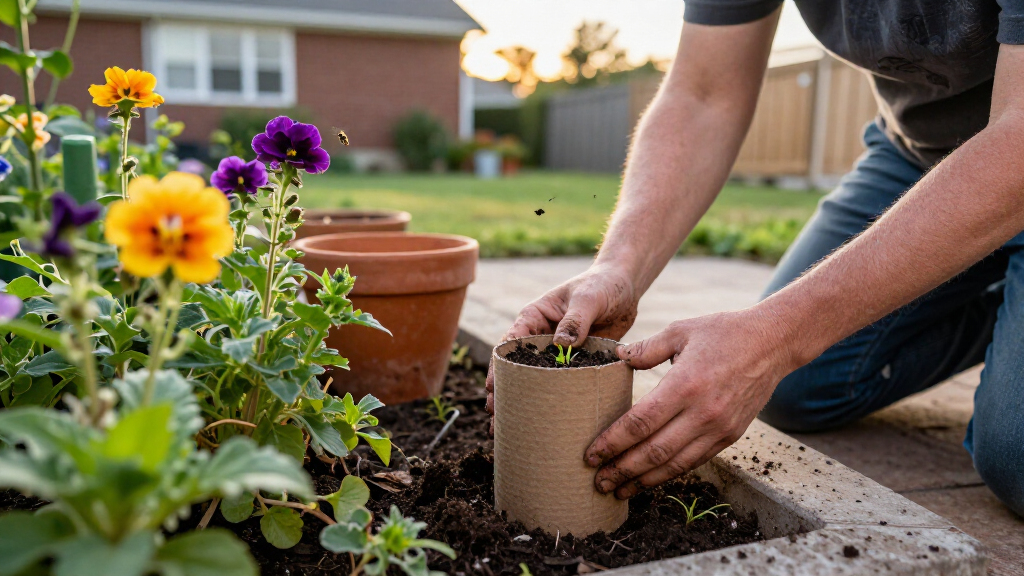
The guide says one cardboard tube can be cut in half to make two small seed starters. Gardeners cut short vertical slits around one end of each piece and fold the resulting tabs inward to form a base. The cups are then filled with seed-starting mix, planted according to the seed packet, and arranged in a shallow tray. An empty produce tray or shoebox lid can serve as the tray.
After watering the mix, the starters can sit on a sunny windowsill or under a grow light. The report says seedlings are generally ready to move when they are a few inches tall and have developed their first set of true leaves. It recommends planting them outside after the last frost, with the cardboard tube still around the roots; gardeners should dig a hole about as deep as the tube and twice as wide, then fill it with soil and water.
The source describes the tubes as untreated, biodegradable cardboard that breaks down in soil. It names cosmos, calendula, daisies and hollyhocks as options shown in a video by YouTube creator Charlotte of LifesFood. Zinnias, black-eyed Susans and garden phlox are listed as additional possibilities. These are gardening suggestions from the report, not a guarantee that every plant will suit every region or provide the same benefit to local bee species.
A Second Use for Household Cardboard
The approach offers gardeners a way to reuse a common household item while starting flowers from seed. Because the tube can be planted with the seedling, it may reduce the need to remove a separate pot at transplanting time. Its appeal is practical: the starter is inexpensive, simple to make and intended to break down in soil.
Growing suitable flowering plants can add food sources for bees and other pollinators in a garden. The report frames this as a small, accessible gardening step, not a substitute for broader habitat measures or evidence that a single planting will produce a measurable change in bee populations. Flowering times, climate and the plants already available nearby all affect what a garden provides.
Products Worth Considering

Philips Hue Play Gradient Light Tube, Large, Black

Philips Hue Bridge Pro Starter Kit with 4 A19 E26 Color Smart Bulbs

Philips Hue Amarant Outdoor Smart Light Bar, Black
As an affiliate, we earn on qualifying purchases.
How the Seed-Starting Method Works
The Hunker report presents the idea as a reuse project based on the shape and material of toilet paper tubes: they are narrow enough to hold a small amount of seed-starting mix, and the folded bottom keeps the mix in place while the seeds germinate. The tray catches water and allows several starters to be kept together indoors.
Flower selection and timing matter as much as the container. The report suggests choosing plants that help pollinators and says many bee-friendly flowers can be planted in spring after frost risk has passed, while others are suited to fall sowing. Its suggested color guidance and plant list are not universal growing rules; local climate, species and seed-packet directions should guide a gardener’s choices.
For transplanting, the guide advises keeping the tube around the seedling and setting it into a prepared hole. As an additional reuse idea, it mentions using leftover tubes in a bee hotel, but the source gives no construction details or guidance on whether that option is suitable for a particular location.
“Toilet paper tubes make ideal seed starters”
— Hunker gardening report
Local Growing Conditions Still Matter
The report does not provide region-specific planting calendars, soil requirements or details about which listed flowers are native or appropriate in different areas. It also does not quantify how much the suggested flowers support bee populations. Gardeners need to check local frost dates and seed-packet instructions, and the best plant choices depend on climate and local pollinators.
The source describes the cardboard as biodegradable but does not specify how quickly a tube breaks down under different soil and moisture conditions. It also mentions making a bee hotel without explaining its design, placement or maintenance. No claim is made that the seed-starter method or a tube-based bee hotel has been independently tested in the report.
Check Seeds Before Planting
Readers who want to try the method can save clean, empty tubes, prepare seed-starting mix and follow the directions for flowers suited to their area. Before moving seedlings outdoors, they should check the local last-frost date and wait until the plants meet the seed packet’s transplant guidance. The Hunker report offers a practical reuse idea, but it does not announce a follow-up project or provide a region-by-region planting schedule.
Key Questions
How do you make a seed starter from a toilet paper roll?
Cut a tube in half, make short vertical slits around one end of each piece, and fold the tabs inward to form a base. Fill with seed-starting mix, add seeds as directed on the packet, and place the cups in a shallow tray.
Which flowers does the report suggest for bees?
The report names cosmos, calendula, daisies and hollyhocks from the LifesFood video, and also suggests zinnias, black-eyed Susans and garden phlox. Check which varieties suit your climate and local conditions.
When should seedlings be moved outdoors?
The guide says to consider transplanting when seedlings are a few inches tall and have their first true leaves, after the last frost has passed. Follow local frost information and the instructions for the specific seeds.
Can the cardboard tube be planted with the seedling?
Yes. The method described leaves the tube around the seedling when it is planted. The report says the untreated cardboard is biodegradable, but does not give a breakdown time for different growing conditions.
Source: rss