
TL;DR

Get home appliances delivered free — and shop member deals
- Fast, free delivery on millions of items
- Access to Prime Big Deal Days deals on October 6–7
- Prime Video, Amazon Music and more included
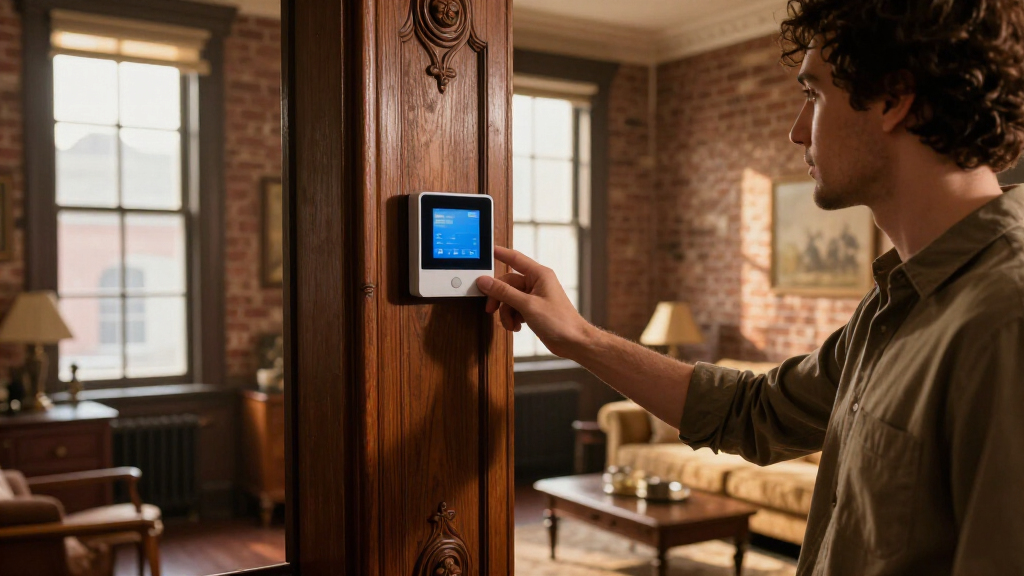
A rental apartment in New York City, built in the 1910s, is gaining interest due to its potential for upgrades that tenants can make without owning the property. The trend reflects growing attention to historic buildings and customizable living spaces.
A rental apartment built in the 1910s in New York City is drawing renewed attention for its potential upgrades, even for tenants who do not own the property. This trend highlights a growing interest in historic buildings and the opportunities for tenants to customize their living spaces without ownership rights. The property’s age and architectural significance are fueling discussions about preservation and renovation possibilities.
The property, located in a historic NYC neighborhood, retains many original features characteristic of early 20th-century architecture. While it is currently rented out, there is increasing interest in making upgrades such as modernizing kitchens, installing energy-efficient windows, or enhancing insulation — improvements that tenants can undertake without violating lease agreements, depending on local regulations. Experts note that these upgrades can significantly improve comfort and energy savings.
Sources indicate that the trend is driven by a combination of tenant desire for better living conditions and a broader movement to preserve and adapt historic buildings. Although specific legal frameworks vary, many tenants are exploring options to improve their units within the bounds of their leases, especially when landlords are open to negotiations. The historical significance of the building adds an extra layer of interest, as residents and preservationists consider how such properties can be modernized while maintaining their character.
Real estate professionals and historians emphasize that upgrading old buildings can extend their lifespan and reduce environmental impact, making it a sustainable choice for urban living. However, the extent of permissible modifications and the role of landlords remain points of discussion and sometimes contention.
Why Upgrading Historic Rentals Matters for Tenants and Preservation
This trend is significant because it reflects a shift in tenant attitudes toward historic properties, emphasizing the importance of adaptability and sustainability. Even without ownership, tenants are seeking ways to improve their living conditions, which can lead to better energy efficiency, comfort, and long-term preservation of architectural heritage. It also highlights a broader movement toward responsible renovation practices that balance modernization with historic integrity.
For landlords and property managers, accommodating such upgrades could enhance tenant satisfaction and property value. For the city, it signals a potential pathway to preserve historic buildings while making them functional and energy-efficient for modern use. Overall, this development underscores the evolving relationship between tenants, landlords, and historic preservation efforts in urban settings.
As an affiliate, we earn on qualifying purchases.
Historical Significance and Modern Interest in 1910s NYC Rentals
Buildings from the 1910s in New York City are recognized for their distinctive architectural styles and historical value. Many of these structures have survived urban development and are now considered important cultural assets. Over recent years, there has been a surge in interest from tenants and preservationists in maintaining and upgrading these historic properties. The trend is partly driven by increased awareness of energy efficiency, sustainability, and the desire to retain architectural character in rapidly changing neighborhoods.
While most historic buildings are protected by preservation laws, individual units often have some flexibility for upgrades, especially when tenants and landlords collaborate. The recent spike in coverage and online searches about such properties suggests a rising curiosity about how to modernize historic rentals without compromising their integrity. This interest is also fueled by broader discussions about affordable and sustainable urban housing options.
However, specific regulations about what tenants can upgrade vary, and legal constraints remain a factor. The ongoing debate centers on balancing preservation with modern needs, especially as cities seek to adapt historic districts for contemporary living.
removable kitchen backsplash tiles
As an affiliate, we earn on qualifying purchases.
As an affiliate, we earn on qualifying purchases.
Legal and Practical Limits of Tenant Upgrades in Historic Buildings
It is not yet clear how widespread or legally permissible such upgrades are across different neighborhoods and property types. Regulations vary by city and building, and the extent to which tenants can undertake improvements without ownership remains uncertain. Details about specific legal constraints, landlord permissions, and safety requirements are still emerging.
Additionally, the long-term impact of these upgrades on property value and preservation efforts is still being studied. The balance between tenant improvements and historic integrity continues to be a topic of debate among policymakers and preservationists.
As an affiliate, we earn on qualifying purchases.
Potential for Broader Adoption and Policy Development
As interest in upgrading historic rentals grows, more tenants and landlords may seek clearer guidelines or policies to facilitate improvements. Future developments could include new regulations or incentives aimed at encouraging responsible modernization of historic buildings. Monitoring how cities and property owners respond will be key to understanding the long-term viability of this trend.
Stakeholders are expected to collaborate on creating frameworks that protect historic features while allowing necessary upgrades, potentially setting a precedent for other cities with similar architectural heritage.
historic building preservation tools
As an affiliate, we earn on qualifying purchases.
As an affiliate, we earn on qualifying purchases.
Key Questions
Can tenants legally make upgrades to a historic rental in NYC?
Legal allowances vary depending on the lease, building regulations, and city laws. Tenants should consult their lease agreements and local regulations before undertaking modifications.
What types of upgrades are tenants typically making?
Common upgrades include modernizing kitchens, installing energy-efficient windows, improving insulation, and upgrading fixtures, often with landlord approval.
Do these upgrades affect the historic status of the building?
Most minor upgrades that do not alter the building’s exterior or significant architectural features are unlikely to affect its historic status. Major renovations generally require approval from preservation authorities.
Are there financial incentives for upgrading historic rentals?
Some cities offer tax credits or grants for preservation and energy-efficient upgrades, but eligibility varies. Tenants and landlords should explore local programs.
What is the future outlook for historic rental upgrades in NYC?
The trend is likely to grow as awareness increases, with potential policy developments to support responsible upgrades while preserving historic character.
Source: rss
Fall yard work Picks
leaf blowers
As an affiliate, we earn on qualifying purchases.


![Bukit Bintang Hicks Flat: DBKL Orders Cleanup After Viral Video Exposes Dirty Conditions [WATCH] - NST Online](https://wholehousewaterlab.com/wp-content/uploads/2026/09/bukit-bintang-hicks-flat-dbkl-orders-cleanup-after-viral-video-exposes-dirty-con-featured-560x300.jpg)