
TL;DR

Get home appliances delivered free with Prime
- Fast, free delivery on millions of items
- Prime Video, Amazon Music and more included
- Member-only deals all year
A designer’s 70-20-10 rule is being credited with making inexpensive furniture appear more luxurious. This trend is drawing significant online attention, though details about its origin and effectiveness are still emerging.
A designer’s 70-20-10 rule is rapidly gaining popularity for its ability to make inexpensive furniture appear more luxurious. The approach, which involves specific proportions of materials and finishes, is being shared across social media and design forums, sparking increased interest among homeowners and interior decorators seeking affordable upgrades. While the method’s origins remain unconfirmed, its widespread attention underscores a shift towards cost-effective styling strategies that challenge traditional notions of luxury.
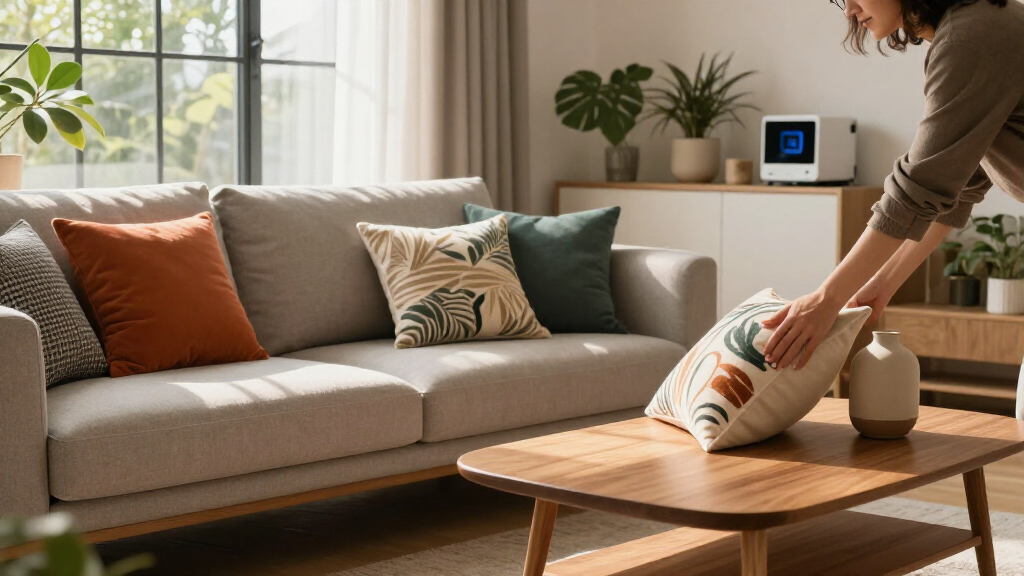
The 70-20-10 rule, as described by early trend signals, suggests that 70% of a furniture piece’s appearance should be composed of inexpensive or basic elements, while 20% should incorporate mid-range features, and only 10% should be high-end or luxurious accents. This ratio aims to create a balanced look that appears refined without the expense of fully upscale materials. Experts and social media influencers have begun demonstrating how this principle can be applied to various furniture types, from sofas to tables, often using simple techniques like strategic painting, hardware updates, and mixing finishes.
Although the rule’s precise origin and the designer behind it are not confirmed, the pattern of interest indicates a growing demand for affordable interior design tips that deliver high-end aesthetics. Some early adopters report noticeable improvements in perceived quality and style, even when using budget furniture. The trend has been amplified by online tutorials, before-and-after transformations, and discussions on platforms like TikTok and Instagram, where users share their successful applications of the 70-20-10 approach.
Implications for Affordable Interior Design
This trend signals a shift in interior styling, emphasizing how strategic use of proportions and finishes can elevate the look of inexpensive furniture. If validated, the 70-20-10 rule could democratize luxury aesthetics, making high-end interior design concepts accessible to a broader audience. It challenges traditional assumptions that quality and expense are directly linked, potentially reshaping consumer expectations and retail strategies for furniture and home decor. The rising interest also suggests that consumers are increasingly seeking cost-effective ways to refresh their spaces without extensive renovations or high expenditure, which could influence market offerings and design services.As an affiliate, we earn on qualifying purchases.
Rise of Budget-Friendly Interior Design Strategies
Interest in affordable interior design has surged over recent years, driven by economic factors and a desire for personalized, stylish living spaces. The trend toward DIY and cost-effective styling techniques has been supported by social media platforms, where influencers and designers showcase transformations using inexpensive furniture and creative techniques. The specific 70-20-10 rule appears to be a recent development within this broader movement, with early signs of popularity emerging in late 2023. Its exact origin remains unconfirmed, but its rapid spread indicates a strong consumer appetite for accessible luxury solutions.budget-friendly furniture hardware updates
As an affiliate, we earn on qualifying purchases.
As an affiliate, we earn on qualifying purchases.
Unverified Origins and Effectiveness of the Rule
It is not yet confirmed who originated the 70-20-10 rule or whether it has been formally tested or validated by professional designers. The trend appears to be emerging from social media and online communities, with anecdotal reports but limited empirical evidence. The long-term effectiveness and applicability across different furniture styles and materials remain unclear, and further expert validation is needed to establish its reliability as a design principle.As an affiliate, we earn on qualifying purchases.
Monitoring Adoption and Validation of the Technique
Designers, DIY enthusiasts, and retailers are expected to experiment with the 70-20-10 rule in the coming months. Industry experts may conduct formal assessments or case studies to evaluate its efficacy. As the trend spreads, more detailed tutorials and success stories are likely to emerge, clarifying its practical applications and limitations. Researchers and influencers will also watch for any shifts in consumer behavior or market offerings driven by this approach.As an affiliate, we earn on qualifying purchases.
Key Questions
What exactly is the 70-20-10 rule in furniture styling?
The 70-20-10 rule suggests using 70% basic or inexpensive materials, 20% mid-range features, and 10% high-end accents to create a luxurious look on budget furniture.
Is this a proven design principle?
Currently, the rule is based on trend signals and anecdotal reports. There is no formal validation or widespread endorsement from professional designers at this stage.
Can this method work on all types of furniture?
It is too early to determine whether the 70-20-10 rule is universally effective. Early examples suggest it works well with certain styles, but effectiveness may vary depending on materials and execution.
Where did this rule originate?
The origin of the 70-20-10 rule remains unconfirmed, with most evidence pointing to social media trends and online communities rather than a specific designer or publication.
Will this trend influence furniture retail or design services?
If proven effective, it could encourage retailers and designers to adopt similar strategies, emphasizing styling techniques that maximize perceived value without high costs. However, this remains speculative until more validation occurs.
Source: rss
Fall yard work Picks
leaf blowers
As an affiliate, we earn on qualifying purchases.