
TL;DR
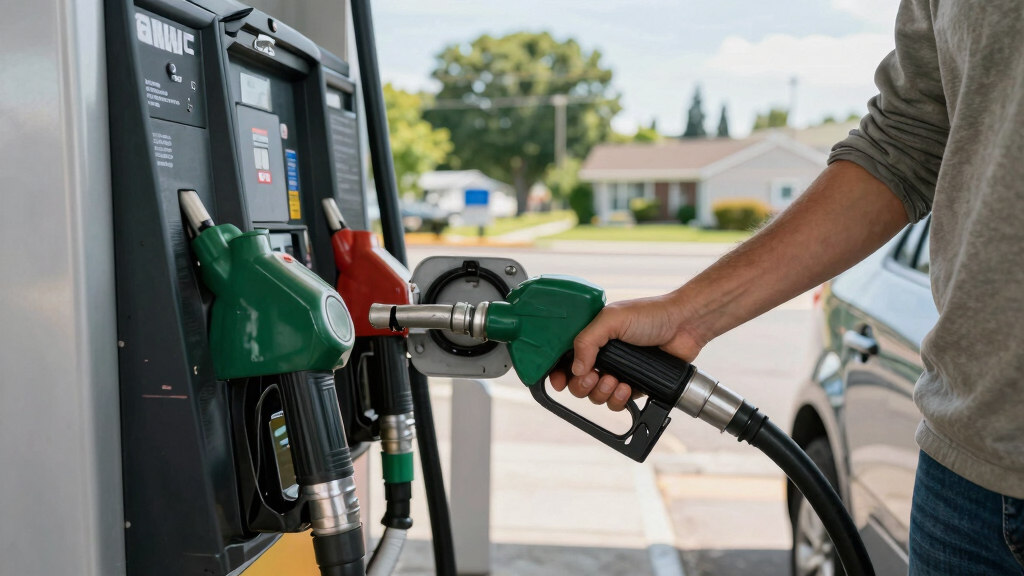
Rhode Island and New York are the only U.S. states that currently ban or restrict the use of hands-free gas pump clips, citing fire safety concerns. Laws in these states are outdated or confusing, but potential legislative changes are under discussion.
Rhode Island and New York are the only U.S. states that currently ban or restrict the use of hands-free gas pump clips, citing fire safety concerns. This legal restriction affects gas station operations and consumer convenience, making these states unique in their approach to fueling technology.
According to reports, Rhode Island has maintained its ban on gas pump clips for decades, with only a partial exception for stage II vapor recovery nozzles, which are becoming obsolete. The law has not been updated since the EPA mandated decommissioning of these nozzles in 2017. In New York, fire safety laws are described as complex and confusing, leading many station owners to avoid installing hold-open clips despite legal allowances. As recently as 2025, lawmakers in New York have introduced bills to clarify and permit the use of these clips, but no definitive change has yet been enacted.
Experts note that safety concerns primarily focus on fire risks associated with holding open a nozzle during fueling, but many argue that modern safety technology mitigates these risks. The laws in both states are considered outdated, and there is growing interest in legislative reform to align with practices in the rest of the country where hands-free fueling is common.
Legal Restrictions Impact Fueling Convenience
The continued bans in Rhode Island and New York highlight how outdated safety laws can hinder technological progress and consumer convenience. If these states update their laws, they could align with national standards, improving efficiency and safety perceptions at gas stations. The restrictions also reflect broader regulatory challenges in balancing safety and innovation, which could influence future legislation across other states.

Replacement Auto Parts For 5pcs Black Bumper Fender Engine Cover Push Clips For Subaru 90914-0007 10mm Mod-R36R-1
- Exact Fit for US Vehicles: Matches OEM specs for popular US models
- Heavy-Duty Steel Construction: CNC-machined, anti-corrosion, rust-resistant
- Easy Installation: Direct bolt-on, no modifications needed
As an affiliate, we earn on qualifying purchases.
As an affiliate, we earn on qualifying purchases.
Historical and Regulatory Background of Gas Pump Laws
Most U.S. states allow the use of hands-free gas pump clips, which enable drivers to dispense fuel without holding the nozzle. Rhode Island’s law has remained largely unchanged since the 1990s, with a partial exception for vapor recovery nozzles, which are now obsolete due to technological advancements. New York’s laws are described as particularly complex, with ongoing legislative efforts to clarify and permit the use of hold-open clips, which have become standard elsewhere. The controversy centers on fire safety concerns, although experts argue that modern safety measures reduce these risks.
In recent years, lawmakers in both states have debated updating their regulations, but political and safety considerations have slowed reform. The EPA’s 2017 mandate to decommission older vapor recovery nozzles further complicates Rhode Island’s legal landscape, as the original basis for the ban has diminished.
“The fire safety concerns cited by these states are largely based on outdated laws and misconceptions about modern safety technology.”
— an anonymous researcher

Wadoy Gas Siphon Hose Pump, Shaker Siphon for Gasoline, safety siphon
- High Flow Rate: Up to 3.5 gallons per minute
- Easy to Start: Built-in check valve and ball design
- Durable Construction: 1.9 mm thick wall for longevity
As an affiliate, we earn on qualifying purchases.
As an affiliate, we earn on qualifying purchases.
Future of Gas Pump Clip Legislation in Both States
It is not yet clear when or if Rhode Island and New York will update their laws to permit hands-free gas pump clips. While discussions are ongoing, no definitive legislative timetable has been announced, and safety concerns continue to influence policy decisions.
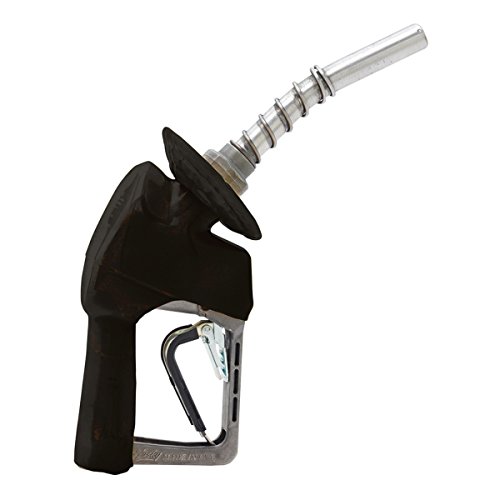
Husky Unleaded Fuel Nozzle, Made in USA, with 3-Notch Hold Open Clip and Full Grip Guard, Model 159559-04
- Pressure-Activated Shutoff: Stops flow when tank is full or pump stops
- Stainless Steel Spout Bushing: Maintains spout shape and protects sensor
- Automatic Flo-Stop Device: Shuts off if nozzle falls or is raised
As an affiliate, we earn on qualifying purchases.
As an affiliate, we earn on qualifying purchases.
Legislative Efforts and Potential Law Revisions
Next steps include continued legislative discussions in both states, with bills proposed in New York to clarify and permit hands-free fueling. Rhode Island may consider revising its outdated laws, especially as technology advances and safety concerns are addressed. Monitoring these developments will determine whether these restrictions are lifted in the near future.

6PCS 800-046 Fuel Line Retaining Clips 16721RAAA01 17711-S0X-931 Fuel Pump Hose Retainer Compatible with Honda Accord Civic CR-V Element Fit Insight Odyssey Pilot Ridgeline S2000 80046
- Package Quantity: 6 pieces of fuel line clips
- OEM Part Numbers: 800-046, 16721RAAA01, 17711-S0X-931
- Material: Durable plastic
As an affiliate, we earn on qualifying purchases.
As an affiliate, we earn on qualifying purchases.
Key Questions
Why are Rhode Island and New York the only states banning gas pump clips?
They cite fire safety laws as the reason, but these laws are based on outdated regulations that do not reflect current safety technology.
Are there safety risks with using hands-free gas pump clips?
Experts argue that modern safety measures significantly reduce fire risks, making the bans potentially unnecessary.
Could these laws change soon?
Legislative discussions are ongoing, especially in New York, where bills have been introduced to permit these clips. Rhode Island’s laws may also be revised, but no specific timeline has been set.
How does this affect consumers and gas station owners?
In these states, consumers cannot use hands-free fueling, which can be less convenient. Gas station owners face legal uncertainties that may discourage installing modern fueling equipment.
What is the main reason for the resistance to change?
The primary concern is fire safety, although many experts believe that current safety standards make these concerns less valid.
Source: Family Handyman