To tell if your water problem is from the source or your plumbing, start by testing water from outdoor and indoor taps. If both show issues like discoloration or odor, it’s likely a source water problem. If only indoor water is affected, it points to internal plumbing issues, especially after repairs or fixture use. Persistent problems despite flushing or testing different outlets can help clarify the source. Keep exploring to discover more about pinpointing the exact cause.
Listen free for 30 days with Audible
Thousands of audiobooks and originals — cancel anytime.
As an affiliate, we earn on qualifying purchases.
Key Takeaways
- Test water from outdoor sources and multiple indoor fixtures to compare contamination levels.
- Persistent issues across all taps suggest source water problems; localized issues point to internal plumbing.
- Problems after plumbing repairs or maintenance indicate internal plumbing issues.
- External water testing reveals source water contamination, while indoor-only issues suggest internal causes.
- Regular testing and monitoring help differentiate and address the root of water quality problems.
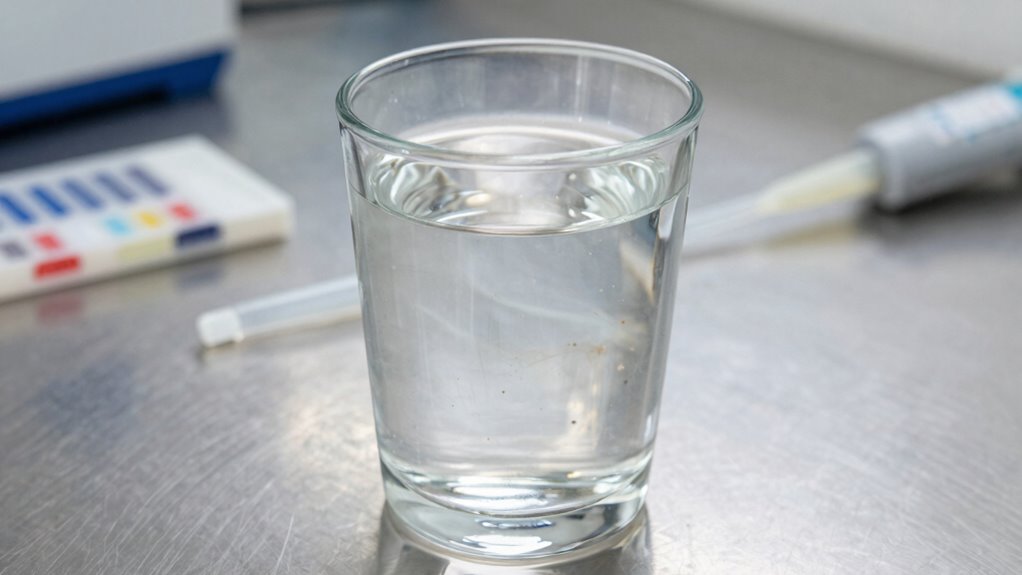
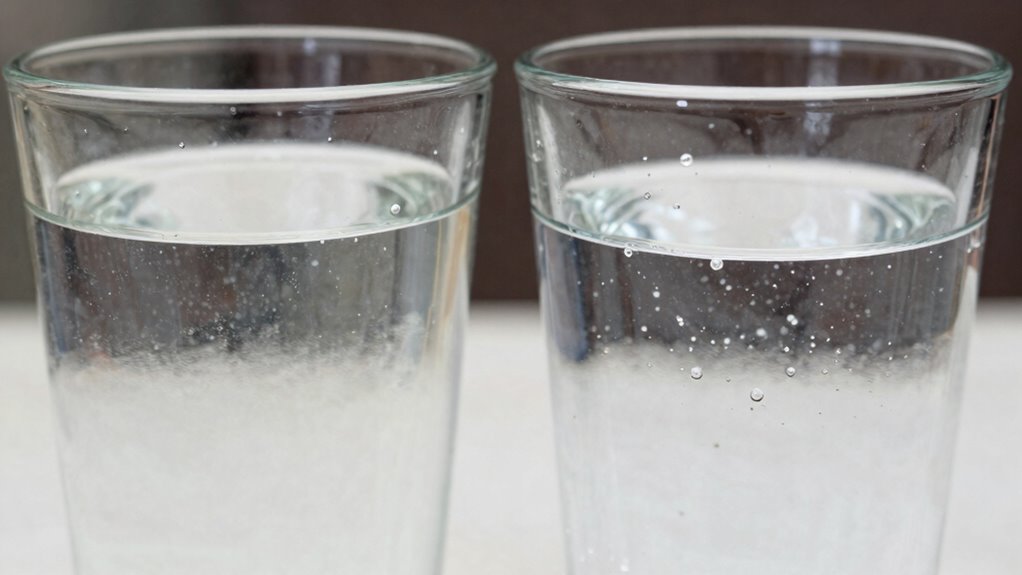
When you notice a water quality issue, it’s important to determine whether the problem originates from the source water or develops within your plumbing system. This distinction helps you take the right steps to fix the issue effectively. The first move is to perform water testing. By testing your water, you can identify contamination sources and see if the problem is coming from outside your home or if it’s caused by internal factors. Water testing kits are available at most hardware stores, or you can hire a professional for more detailed analysis. When you test, pay attention to common contaminants like bacteria, nitrates, heavy metals, or chemical residues, as these can point to specific contamination sources.
Perform water testing to identify if contamination originates from source water or internal plumbing issues.
If your water test results reveal contamination, the next step is to determine where it’s coming from. If the contamination appears in water from your well or municipal supply, it suggests the problem originates from source water. For example, if multiple taps in your home show similar issues—such as discoloration, bad odor, or an unusual taste—it indicates the problem likely exists before the water even reaches your plumbing. In contrast, if only one faucet or a specific fixture exhibits problems, it’s more probable that the issue is within your plumbing system itself. Mineral buildup, corroded pipes, or a faulty fixture can cause localized problems, even if the source water is clean. Regular maintenance and inspections can help prevent internal issues from worsening over time.
Another way to differentiate is to observe when the issue occurs. If the problem persists even after flushing your system or cleaning fixtures, it might be a source water issue. Conversely, if the problem appears after maintenance or pipe repairs, it could be linked to contamination sources within your home’s plumbing. Keep in mind that aging pipes, especially those made of galvanized or lead materials, are common internal contamination sources that can introduce metals or sediments into your water supply. Additionally, understanding the source water quality helps in choosing the right treatment options. Regular monitoring and understanding your water source can prevent future issues and ensure safe water for your household.
In some cases, testing water from different points in your home can clarify where the contamination is originating. For instance, testing water from an outdoor tap versus an indoor fixture can reveal whether the problem is external or internal. If the outdoor water tests clean but indoor water shows issues, your plumbing system is likely the culprit. Conversely, if both tests reveal problems, then the source water is probably contaminated, and you may need to work with your water supplier or consider a filtration system. It’s also helpful to understand contaminant sources and how they might affect your water quality. Ultimately, water testing remains your most reliable tool for pinpointing contamination sources and understanding whether a water problem comes from source water or develops within your home.
As an affiliate, we earn on qualifying purchases.
Frequently Asked Questions
Can Water Taste Help Identify the Problem Source?
Yes, taste testing can help identify the problem source. If your water has unusual flavors, such as metallic or chemical tastes, it may indicate contamination cues from in-house plumbing issues. On the other hand, if the taste persists even after filtration or treatment, it might point to source water problems. Trust your senses, but also consider testing the water professionally for accurate contamination detection and to confirm your suspicions.
How Often Should Water Tests Be Conducted?
You should conduct water testing at least once a year to monitor for contamination sources. Regular testing helps catch potential issues early and guarantees water safety. If you notice changes in taste, smell, or appearance, test more frequently. Keep in mind, different areas or known risks might require more frequent testing. Staying proactive allows you to identify problems quickly and address contamination sources before they become serious.
Are There Specific Signs Indicating Source Water Contamination?
Signs of source water contamination include unusual tastes, foul odors, discoloration, and the presence of sediments or particles. You might notice changes in water clarity, consistency, or smell that seem out of the ordinary. These contamination signs often point to issues upstream, affecting the source water directly. If you observe any of these signs, it’s essential to test and address the source promptly, safeguarding your water quality and health.
What Is the Average Lifespan of In-House Water Filters?
The average lifespan of in-house water filters generally ranges from 3 to 6 months, depending on usage and water quality. To maintain ideal performance, you should regularly check and follow the filter replacement schedule recommended by the manufacturer. Proper lifespan maintenance ensures your filters effectively remove contaminants, preventing issues and extending their efficiency. Remember, timely filter replacement keeps your water clean and safe.
Can Plumbing Issues Cause Water Quality Problems?
Yes, plumbing issues can cause water quality problems, acting like a hidden villain in your home’s water story. Poor plumbing maintenance or pipe corrosion can introduce contaminants or cause discolored, foul-tasting water. To keep water treatment effective, regularly inspect and maintain your plumbing system. Addressing leaks, replacing old pipes, and checking for rust can prevent contaminants from mixing into your water supply, ensuring safe, clean water for your household.
As an affiliate, we earn on qualifying purchases.
Conclusion
Think of your water system as a garden hose. If the water’s cloudy or has a strange smell, it’s like a kink in the hose—your source water might be the culprit. But if the water flows fine outside but acts up inside, it’s like a leak in the hose itself—your in-house system needs attention. By pinpointing where the hose is kinked or leaking, you’ll know whether to call in the source or fix the in-house problem.
As an affiliate, we earn on qualifying purchases.
As an affiliate, we earn on qualifying purchases.
NFL season / tailgating Picks
team gear
As an affiliate, we earn on qualifying purchases.