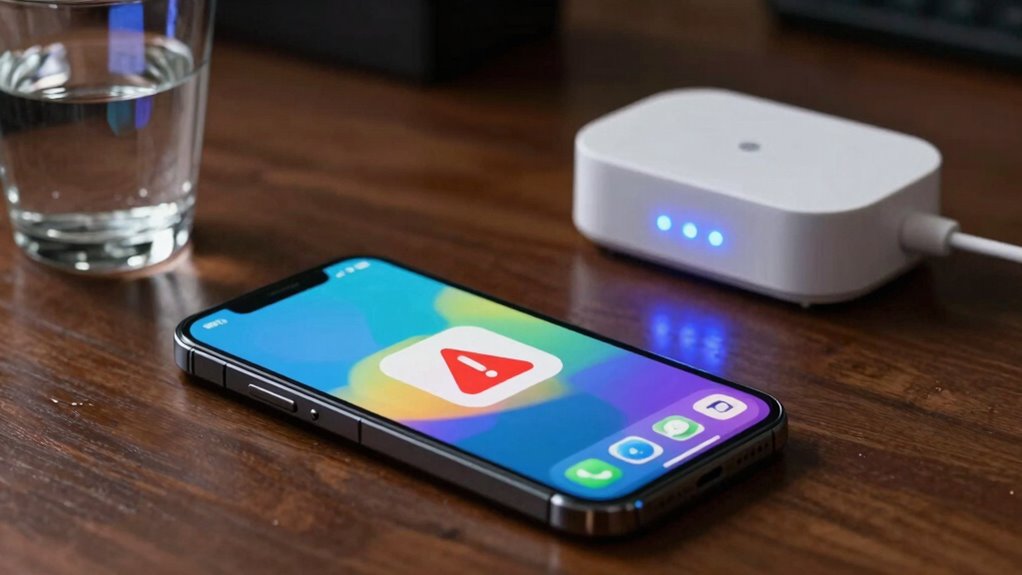
Leak detection apps can alert you early of potential water issues, helping you prevent costly damage. They constantly monitor your plumbing and send real-time notifications when they detect leaks or unusual moisture. However, these apps can’t physically stop leaks or repair pipes. Their accuracy depends on proper sensor placement and regular maintenance. While useful, they work best as part of an all-encompassing safety plan. Keep going to discover how these tools can fit into your home safety strategy.
Key Takeaways
- App alerts can notify users of potential leaks early but cannot physically stop or repair the leaks.
- They depend on proper sensor placement, maintenance, and up-to-date software for accurate detection.
- Alerts can be customized for sensitivity, notification type, and monitoring zones to reduce false alarms.
- They rely on Wi-Fi and power, so outages or dead batteries may prevent timely alerts.
- Apps serve as supplementary tools, not replacements for professional plumbing or home inspection services.
Leaks can cause significant damage and costly repairs, but thankfully, many apps now offer real-time alerts to help you prevent them before they escalate. These leak detection apps are designed to monitor your home’s plumbing systems continuously, providing early warnings that can save you thousands. They often integrate seamlessly with your smart home system, allowing you to control and customize settings effortlessly. With smart home integration, you can link leak alerts to other devices like smart thermostats or security cameras, creating a thorough safety network that responds automatically to potential problems. User customization ensures you can set alert thresholds, choose notification preferences, and tailor monitoring zones to focus on the most vulnerable areas of your home.
Leak detection apps offer real-time alerts and seamless smart home integration to protect your home from costly water damage.
However, these apps aren’t magic. They can’t physically stop a leak or repair damaged pipes. Their primary role is to alert you as soon as a leak is detected or even suspected. This early warning system gives you the chance to shut off the water supply quickly, reducing damage and repair costs. But their effectiveness depends on proper installation and regular maintenance. For example, sensors need to be placed in the right locations—under sinks, around water heaters, or near washing machines—to catch leaks early. Failing to install sensors correctly or neglecting to update the app can diminish their reliability. Additionally, sensor placement plays a crucial role in ensuring comprehensive coverage and early leak detection. Proper sensor calibration is also essential to maintain accuracy over time.
While many leak detection apps boast advanced features, they can’t replace a thorough home inspection or professional plumbing service. They’re best viewed as supplementary tools that enhance your existing safety measures. User customization plays a key role here—by adjusting sensitivity levels, you can prevent false alarms caused by minor humidity or drips. Proper maintenance of sensors and app updates is essential to keep the system functioning optimally. Likewise, customizing notification settings ensures you’re alerted in the way that works best for you, whether through push notifications, emails, or even voice alerts via smart speakers. Regularly reviewing your system’s performance and sensor placements can also help maintain optimal leak detection accuracy.
Despite their strengths, these apps also have limitations. They rely heavily on Wi-Fi connectivity and battery power, so outages or dead batteries can leave you vulnerable. Moreover, they can’t detect every type of leak, especially those that develop slowly or occur outside sensor ranges. They also don’t address underlying plumbing issues or prevent leaks from happening in the first place. But when used correctly, with smart home integration and user customization, these apps can serve as an essential part of your leak prevention strategy. They give you peace of mind, knowing you’ll be alerted to potential problems early enough to act before extensive damage occurs.
As an affiliate, we earn on qualifying purchases.
Frequently Asked Questions
Can App Alerts Detect Hidden or Slow Leaks?
App alerts can detect some hidden or slow leaks when paired with hidden sensors that monitor water flow. These sensors track unusual activity, such as a sudden increase in water flow, and send alerts through the app. However, they can’t always detect every hidden leak, especially if sensors aren’t installed in the right locations or if water flow changes aren’t significant enough to trigger an alert. Proper sensor placement is key.
How Quickly Do App Alerts Notify Users of Leaks?
App alerts typically notify you within minutes of detecting a leak, allowing quick response. However, to protect user privacy, these alerts are designed to minimize data sharing, which can sometimes delay detection or lead to false alarms. You should stay vigilant, as quick alerts help prevent extensive damage, but false alarms may occur due to privacy safeguards or sensor sensitivities. Always verify alerts with a manual check when possible.
Are App Alerts Effective for All Types of Leaks?
App alerts are generally effective for detecting many leaks, but they aren’t foolproof for all types. You need to take into account user privacy, as some alerts might require access to sensitive data. False alarms can also occur, leading to unnecessary worry or action. While alerts help quickly notify you of potential leaks, they work best when combined with other security measures, ensuring thorough protection without compromising privacy or causing false alarms.
Can App Alerts Prevent Leaks Before They Happen?
Imagine catching trouble before it strikes—that’s what app alerts aim to do. They can help prevent leaks before they happen by monitoring for early signs, but they’re not foolproof. You must balance user privacy with alert sensitivity to minimize false alarms. While they’re useful, relying solely on app alerts isn’t enough; proactive maintenance and vigilant monitoring are essential to truly prevent leaks.
Do App Alerts Require Constant Internet Connection?
App alerts generally need an internet connection to function properly. Without it, they can’t send real-time updates, which limits their effectiveness in leak prevention. Your device’s Internet dependency means you’ll experience delays or missed alerts if you’re offline. To maximize leak prevention, make sure your app has consistent internet access. This way, you get timely notifications and can act quickly before a leak causes damage.
As an affiliate, we earn on qualifying purchases.
Conclusion
While app alerts are a powerful tool to catch leaks early, they’re not a magic wand that prevents every disaster. Think of them as your first line of defense, catching issues before they escalate into a tsunami of damage. But don’t rely solely on notifications—they’re just part of a bigger leak prevention strategy. Stay vigilant, keep your systems updated, and combine alerts with regular inspections. Only then can you truly safeguard your home from the relentless flood of water damage.
As an affiliate, we earn on qualifying purchases.
As an affiliate, we earn on qualifying purchases.