High water velocity in your plumbing can cause wear, corrosion, and even leaks over time. When water moves too fast, it carries abrasive particles that scrape pipe walls, weakening them and leading to damage. Increased velocity also accelerates corrosion and erosion, reducing pipe lifespan. Conversely, very low velocity can cause sediment buildup and bacterial growth, posing long-term risks. Managing water flow ensures your system stays healthy—keep going to discover how to maintain ideal velocity for lasting plumbing health.
Get ready for Prime Big Deal Days — try Prime free
Exclusive member deals on October 6–7, plus fast free delivery. Cancel anytime.
As an affiliate, we earn on qualifying purchases.
Key Takeaways
- Excessive water velocity accelerates pipe wear, corrosion, and potential leaks over time.
- High velocity causes erosion, thinning pipe walls, and increases risk of pipe failure.
- Low water velocity leads to sediment buildup, bacterial growth, and blockages.
- Proper flow regulation extends pipe lifespan by preventing scaling and mineral deposits.
- Maintaining optimal water velocity ensures system efficiency and reduces long-term damage.
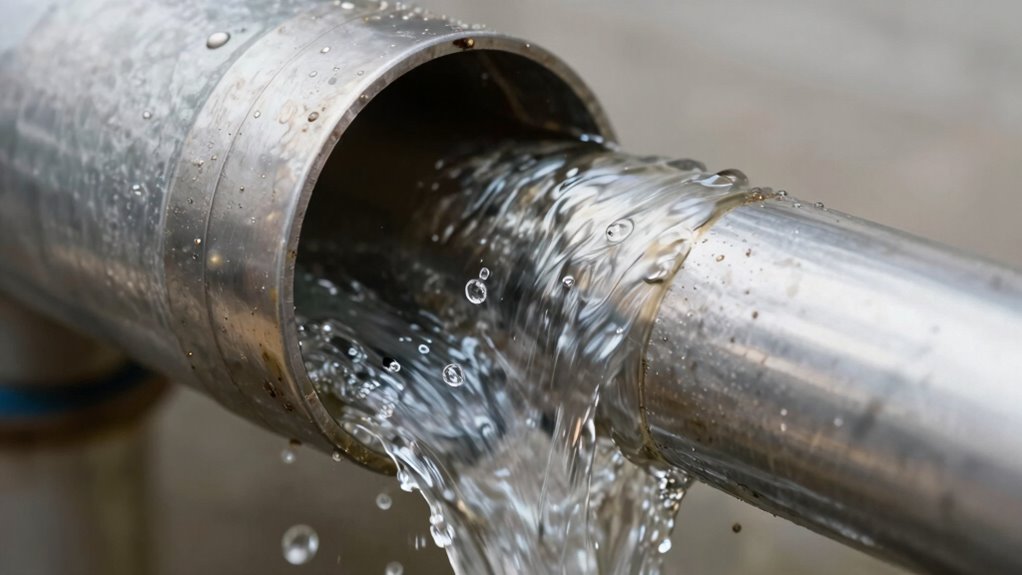
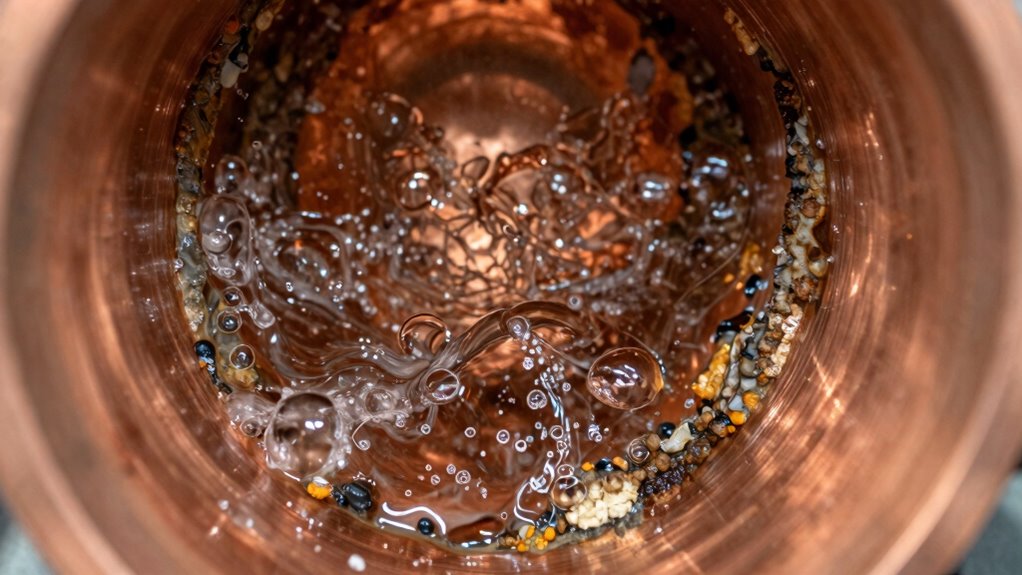
Water velocity plays a pivotal role in plumbing systems because it directly impacts flow efficiency and pipe longevity. When water moves through your pipes at high speeds, it can cause substantial wear and tear over time. One of the primary concerns is corrosion effects, which happen more rapidly when water velocity is excessive. Fast-moving water tends to pick up and carry abrasive particles, like minerals or debris, that can scrape against pipe walls, gradually wearing them down. This process weakens the pipe material, making it more vulnerable to leaks and failures. Additionally, increased water velocity can accelerate chemical reactions that lead to corrosion, especially if your water contains corrosive elements like chlorine or other contaminants. The result is a corrosion build-up that compromises pipe integrity and can lead to costly repairs or replacements.
High water velocity increases pipe wear, corrosion, and risk of leaks over time.
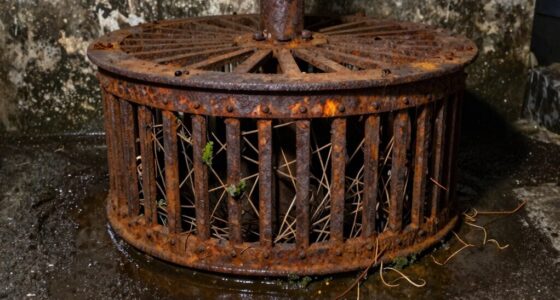
Another consequence of high water velocity is pipe erosion, a process where the physical material of the pipe wears away due to constant impact from fast-moving water. Over time, this erosion thins the pipe walls, creating holes or weak spots that might eventually fail. You might notice symptoms of pipe erosion as reduced water pressure or unusual sounds in your plumbing system. The erosion process is particularly problematic in older pipes or those made from softer materials, which are less resistant to the forces exerted by swift water flow. As the pipe walls thin, the risk of leaks and bursts greatly increases, especially under pressure. Moreover, pipe material durability can influence how well your pipes withstand these forces over time. Understanding the impact of water velocity on pipe integrity highlights the importance of proper system design and flow regulation. Maintaining appropriate water velocity can also help prevent pressure fluctuations, which can further stress the plumbing system and accelerate damage.
Additionally, controlling water velocity can prevent scaling and mineral deposits, which can clog pipes and reduce flow efficiency, further protecting your plumbing system’s long-term health.
Conversely, if water velocity is too low, you face different problems. Insufficient flow can lead to sediment buildup within the pipes, which fosters bacterial growth and causes blockages. This stagnation can also contribute to corrosion, especially in metal pipes, because stagnant water tends to be more corrosive. Maintaining an ideal water velocity is essential because it ensures that debris and sediments are carried away efficiently, preventing buildup and reducing corrosion effects. Proper flow rates help keep your pipes clean and intact over the long term, reducing the likelihood of erosion or corrosion-related damage. Regular monitoring and adjustments to water flow can help sustain optimal conditions within your plumbing system, prolonging its lifespan and performance.
water flow regulator for plumbing
As an affiliate, we earn on qualifying purchases.
As an affiliate, we earn on qualifying purchases.
Frequently Asked Questions
How Can I Measure Water Velocity in My Home Plumbing?
To measure water velocity in your home plumbing, start by calculating the flow rate, which is how much water passes through a pipe over time. Then, find your pipe diameter. Use the formula velocity = flow rate divided by the cross-sectional area (based on pipe diameter). You can also use a flow meter for more precise readings, making it easier to monitor water speed and prevent potential plumbing issues.
What Are the Signs of High Water Velocity Damage?
You might notice corrosion risks on your pipes or strange noise issues, which are signs of high water velocity damage. Excessive flow causes wear and tear, leading to leaks or pipe failure over time. Don’t ignore these signs; they indicate your plumbing faces stress. Addressing high velocity early helps prevent costly repairs, so stay alert to these warning signals and consider consulting a professional for assessment.
Does Water Velocity Affect Water Pressure?
Yes, water velocity affects water pressure by influencing hydrodynamic efficiency and flow optimization in your plumbing system. When water moves too quickly, pressure can drop due to turbulence, or it can cause pressure surges that damage pipes over time. Conversely, optimizing flow velocity ensures consistent water pressure, reducing wear and tear. Sustaining proper velocity levels helps your system operate smoothly and prevents long-term plumbing issues.
Can Low Water Velocity Cause Clogging?
Think of water flow as a gentle stream—when it moves too slowly, debris begins to settle like sediment in a quiet pond. Low water velocity can cause clogging, as particles cling to pipe walls, creating blockages over time. Reduced flow increases pipe stress because stagnant water promotes buildup, weakening the system. Preserving proper water velocity ensures a steady current, preventing clogs and minimizing pipe stress, keeping your plumbing running smoothly.
How Does Pipe Material Influence Water Velocity Effects?
Your pipe material influences how water velocity affects your plumbing. For example, metal pipes like copper can experience corrosion over time, especially at higher velocities, leading to leaks. Plastic pipes, such as PVC, resist corrosion but can expand slightly with temperature changes, affecting flow. Understanding these differences helps you prevent material expansion issues and corrosion, ensuring your plumbing remains durable and efficient regardless of water velocity.
pressure reducing valve for pipes
As an affiliate, we earn on qualifying purchases.
As an affiliate, we earn on qualifying purchases.
Conclusion
In the end, ignoring water velocity can turn your plumbing into a ticking time bomb, ready to explode with costly damage. Keep your pipes flowing smoothly at the right speed, and you’ll dodge disasters that could cripple your home faster than a lightning strike. Remember, a little maintenance now is like planting a shield against future chaos. Don’t let high water velocity turn your peaceful home into a plumbing nightmare—stay vigilant and protect your investment!
pipe erosion prevention products
As an affiliate, we earn on qualifying purchases.
As an affiliate, we earn on qualifying purchases.
sediment filter for plumbing system
As an affiliate, we earn on qualifying purchases.
As an affiliate, we earn on qualifying purchases.
NFL season / tailgating Picks
team gear
As an affiliate, we earn on qualifying purchases.